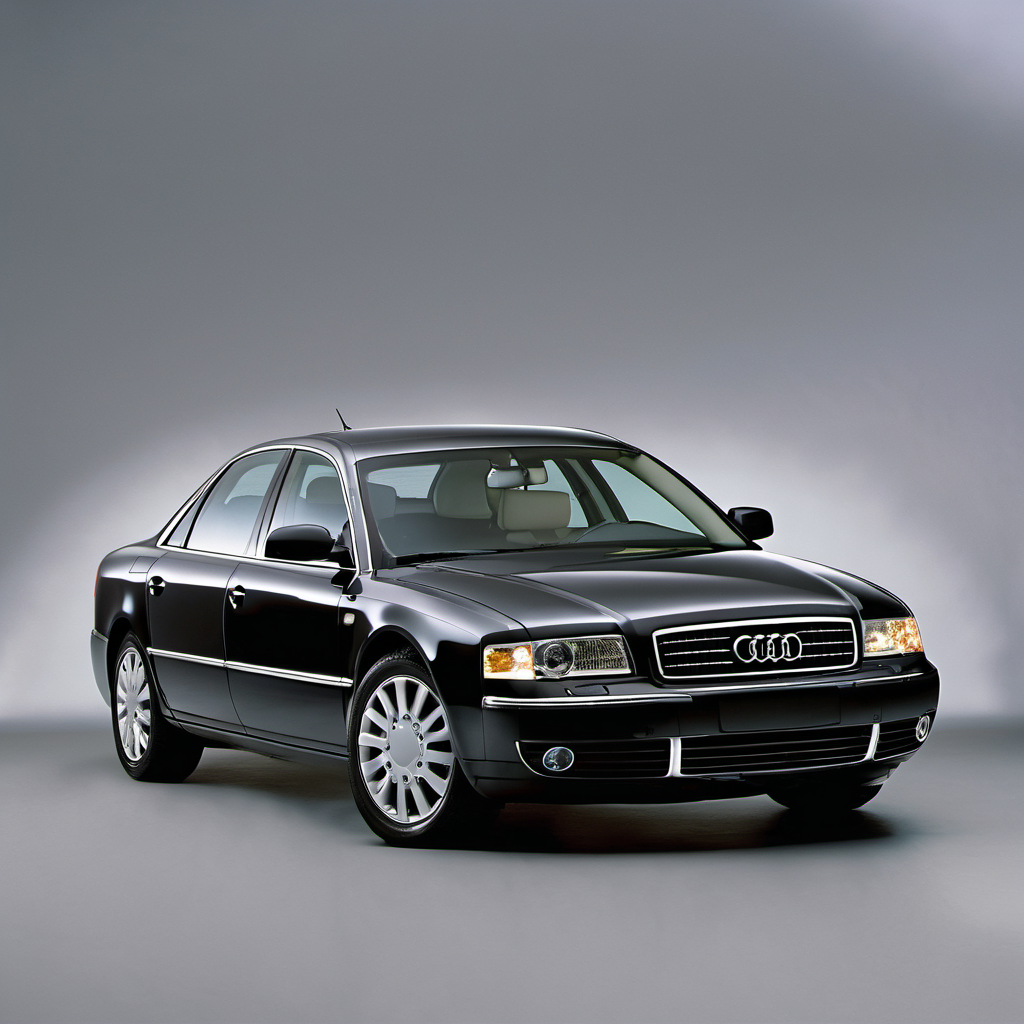
2001 Audi A8 Sedan

2001 Audi

A8Sedan

Sedan

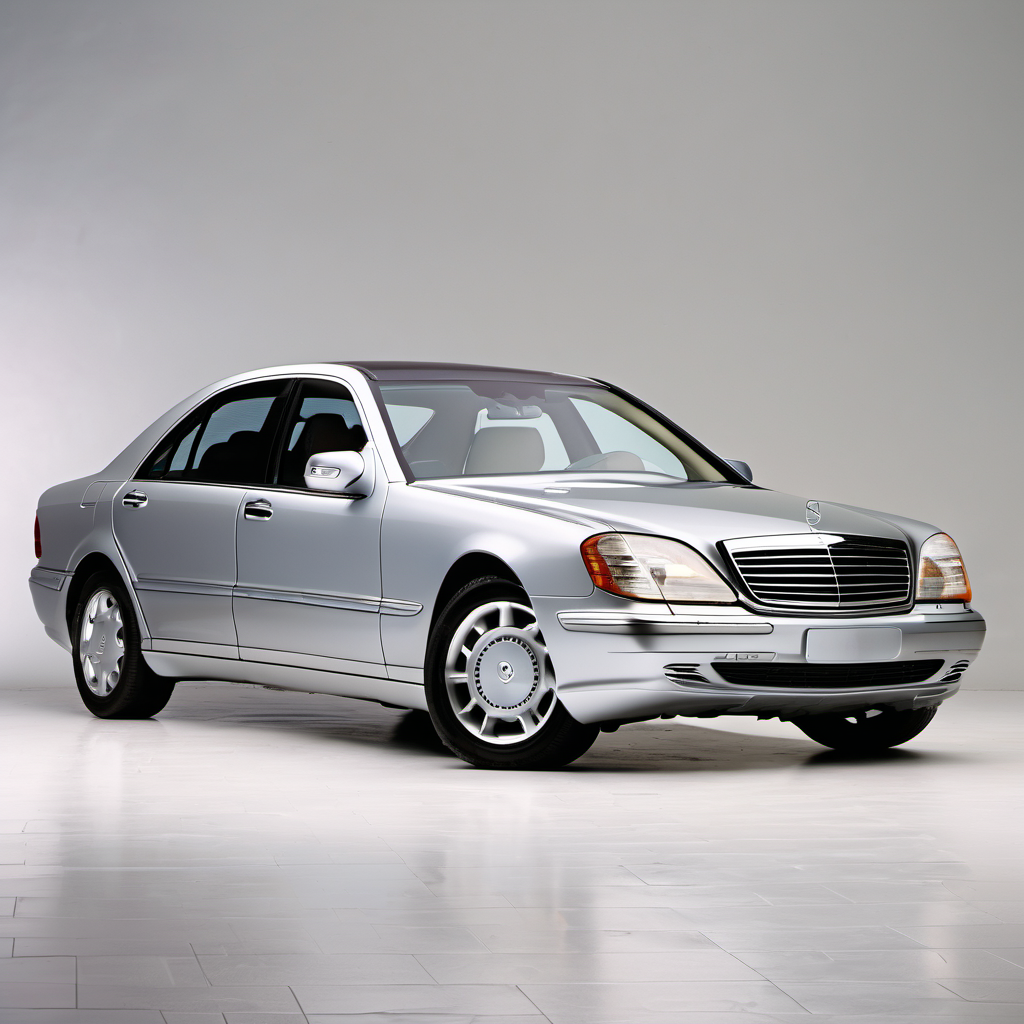
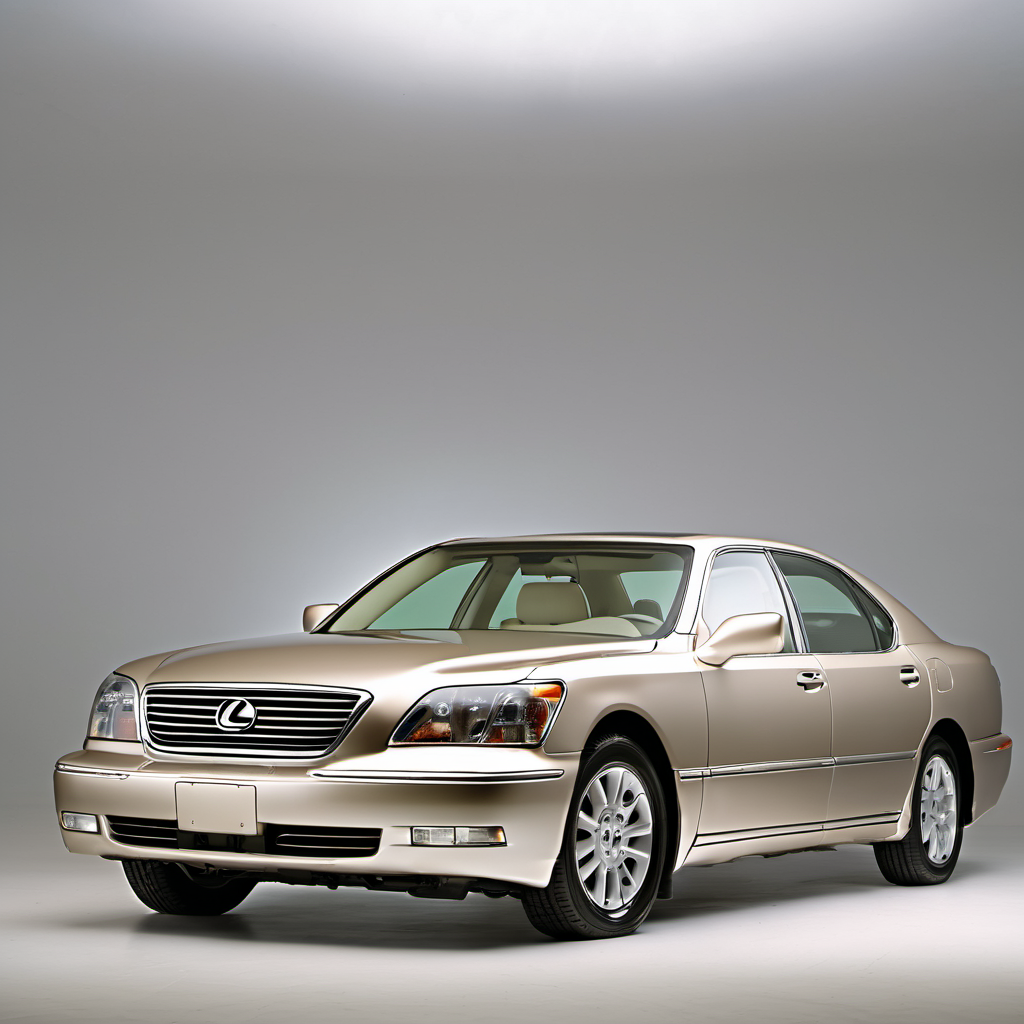
The 2001 Audi A8 is Audi's full-size flagship luxury sedan, built on an all-aluminum spaceframe (ASF) that set it apart from virtually every competitor at the time. Powered by a 4.2L V8 paired with Audi's full-time quattro all-wheel-drive system, it delivered genuine long-distance comfort with strong performance credentials. This generation (D2 platform, 1994–2003) was pitched squarely at the BMW 7 Series and Mercedes-Benz S-Class — and it held its own on refinement and road manners. The tradeoff for all that aluminum engineering and feature density is complexity. The A8 is not a car for shade-tree mechanics or budget-conscious owners. Electronics, air suspension, and proprietary Audi systems require specialist tools and expertise. Parts are expensive, and labor rates at independent shops familiar with Audi are higher than average. That said, a well-maintained example with documented service history can still be a rewarding ownership experience — especially in Wisconsin winters, where the quattro AWD system genuinely earns its keep. Expect high ownership costs relative to non-luxury alternatives, and budget accordingly.

Reliability
2/5
Verified data
Specs shown for A8 quattro — the most common configuration. Other trims may vary in engine, drivetrain, or fuel economy. Sign in to see your vehicle's exact specs.
Engine
[object Object]
Drivetrain
AWD
Fuel
Premium gasoline
MPG
15 city / 23 hwy / 18 combined
Seats
Doors
Body
Midsize Cars

Overview

AI-curated

The 2001 Audi A8 is Audi's full-size flagship luxury sedan, built on an all-aluminum spaceframe (ASF) that set it apart from virtually every competitor at the time. Powered by a 4.2L V8 paired with Audi's full-time quattro all-wheel-drive system, it delivered genuine long-distance comfort with strong performance credentials. This generation (D2 platform, 1994–2003) was pitched squarely at the BMW 7 Series and Mercedes-Benz S-Class — and it held its own on refinement and road manners. The tradeoff for all that aluminum engineering and feature density is complexity. The A8 is not a car for shade-tree mechanics or budget-conscious owners. Electronics, air suspension, and proprietary Audi systems require specialist tools and expertise. Parts are expensive, and labor rates at independent shops familiar with Audi are higher than average. That said, a well-maintained example with documented service history can still be a rewarding ownership experience — especially in Wisconsin winters, where the quattro AWD system genuinely earns its keep. Expect high ownership costs relative to non-luxury alternatives, and budget accordingly.

Known for
  • All-aluminum spaceframe construction — unusually light for its size and class
  • Quattro full-time AWD — a real winter-weather advantage
  • 4.2L V8 with strong, smooth power delivery
  • Flagship-level interior quality and long-distance ride comfort
  • Complex, expensive electronics and proprietary Audi systems
Best for
  • Owners who want European flagship luxury with AWD
  • Highway cruising and long-distance comfort trips
  • Wisconsin winters where quattro AWD adds genuine safety margin
  • Buyers with access to an Audi-specialist independent shop
  • Enthusiasts who want a unique, depreciated luxury car and can manage higher maintenance costs
Watch for
  • Air suspension failure — costly and a known weak point on this generation
  • Timing chain tensioner wear leading to camshaft timing faults
  • Expensive electronic module failures that require dealer-level scan tools to diagnose
  • Aluminum body repairs require specialized equipment — not every body shop can handle it
  • High cost of ownership can exceed the car's market value on major repairs

Common issues by mileage

6 known

Timing Chain Tensioner Wear / Camshaft Timing Faults

high
Typically appears
80–150k mi
Estimated repair
$1,800 – $4,500

Variable Valve Timing (VVT) Solenoid Failure

medium
Typically appears
70–130k mi
Estimated repair
$400 – $1,200

Air Suspension Compressor / Strut Failure

high
Typically appears
80–120k mi
Estimated repair
$1,200 – $3,500

Oxygen Sensor / Heater Circuit Failure

medium
Typically appears
60–120k mi
Estimated repair
$300 – $900

Power Window Regulator Failure

high
Typically appears
80–150k mi
Estimated repair
$250 – $600

Maintenance schedule

  1. 1
    Every 5,000 miles or 6 months Engine oil change with VW/Audi-spec full synthetic (VW 502.00 or equivalent)

    The 4.2L V8 timing chain tensioners are oil-pressure dependent. Old or degraded oil accelerates tensioner wear and can cause catastrophic cam timing faults. Do not stretch intervals on this engine.

  2. 2
    Every 3 years Coolant system inspection and coolant flush

    The aluminum block and plastic coolant flanges and elbows degrade with age. Coolant passages can crack or leak, especially after Wisconsin freeze-thaw cycles. Use only OEM-spec pink/purple G12 or G13 coolant — never green.

  3. 3
    Every 2 years or at first sign of uneven ride height Air suspension inspection — compressor output, strut integrity, level sensor operation

    Air suspension is the single most common costly repair on D2 A8s. Early detection of a weak compressor or a leaking air strut prevents full system failure and secondary damage.

  4. 4
    Every 40,000 miles Spark plug replacement

    The V8 has 16 plugs (two per cylinder). Worn plugs on this engine cause misfires that can trip multiple codes. Labor is significant — do all 16 at once.

  5. 5
    Every 40,000–50,000 miles Transmission fluid change (ZF 5HP24 automatic)

    Audi marked this 'lifetime fill' but independent experience shows fresh fluid at regular intervals significantly extends transmission life. Use only the correct ATF specification.

  6. 6
    Every 2 years Brake fluid flush

    Hygroscopic brake fluid absorbs moisture over time, lowering boiling point. Wisconsin salt can also accelerate corrosion in brake lines and calipers — fresh fluid helps.

  7. 7
    Every 20,000 miles Cabin and engine air filter replacement

    Restricted airflow affects both cabin comfort and engine efficiency. Cabin filters on this generation are often neglected and become moldy over time.

  8. 8
    Every fall, before winter Battery load test and terminal inspection

    The A8's extensive electronics draw heavily on the battery, especially in cold starts. A marginal battery will cause CAN bus and module communication faults in sub-zero Wisconsin temps. Replace proactively before failure.

Always defer to the manufacturer's service manual for warranty-mandated intervals.

Cost of ownership

Annual maintenance
$2,000 – $5,000
Fuel
Requires premium unleaded (91+ octane). At 18 MPG combined and ~15,000 miles/year, expect $3,000–$3,800/year depending on fuel prices.
Insurance
Expect moderate-to-high premiums for a 20+ year-old European luxury vehicle — typically $1,200–$2,200/year depending on coverage and driver profile. Repair costs drive rates up even on older vehicles.

The 2001 A8 is a high-cost-to-own vehicle that has long since depreciated to low purchase prices. That gap between what you pay to buy it and what you pay to keep it running is the central risk. Routine maintenance (oil, brakes, filters) is manageable, but one air suspension failure, timing chain job, or module replacement can run $2,000–$5,000 in a single visit. Budget at least $2,000–$5,000/year for maintenance and unplanned repairs, and only buy an example with full service records.
Seasonal care

Lake Geneva, WI
Winter
  • Battery load-test every fall — the A8's electronics are hard on batteries and cold kills marginal ones fast. Wisconsin winters demand a strong, fully charged battery.
  • Switch to a full synthetic 0W-40 or 5W-40 VW 502.00-spec oil before temps drop — cold-start oil pressure is critical for the timing chain tensioners.
  • Inspect and treat underbody with a corrosion inhibitor — the aluminum frame resists rust, but steel subframe components, brake lines, and suspension hardware are exposed to road salt.
  • Verify air suspension operation before winter — a leaking air strut that marginal in fall will fail completely in January.
  • Use a high-quality winter washer fluid rated to -30°F or lower — Lake Geneva roads get heavily salted and visibility depends on it.
  • Check brake line condition and caliper slide pins — salt accelerates corrosion and seized slides cause uneven wear and pull.
Summer
  • Check tire pressure monthly — heat causes pressure to rise roughly 1 PSI per 10°F. This A8 is heavy and under-inflated tires affect handling noticeably.
  • Inspect A/C system for refrigerant charge and cabin filter — a 20+ year-old system may have slow leaks and a clogged evaporator. Recharge if cooling is weak before peak summer heat.
  • Monitor coolant temperature gauge in stop-and-go traffic — aging coolant hoses and the aluminum-block engine can run warm if the cooling system has any deferred maintenance.
  • Check power steering fluid level — hydraulic rack seals age and summer heat can worsen any existing leaks.
  • Inspect rubber suspension bushings and air suspension lines for heat cracking — UV exposure and age degrade both rapidly on a vehicle this old.

Comparable vehicles

If you're shopping for one

Red flags
  • No service records or gaps longer than 8,000–10,000 miles between oil changes — timing chain damage is likely.
  • Air suspension warning light on or visible ride height difference corner-to-corner.
  • Any mention of 'just needs a module' or deferred electrical repairs — module costs on this car are high and problems multiply.
  • Coolant that is discolored, low, or mixed types (green coolant in a G12 system causes corrosion).
  • Carfax showing multiple owners in short succession — often a sign of a problem car being passed along.
  • Seller unwilling to allow a pre-purchase inspection by an independent Audi specialist.
What to inspect
  • Pull a full scan for all module codes — not just powertrain. U-codes (CAN bus faults) and B-codes (body/airbag) indicate electronic module issues that are expensive to diagnose and fix.
  • Test the air suspension through full range: park it overnight and check if the car has settled or sagged — a leaking strut will drop one corner by morning.
  • Check oil level and condition, and look for sludge at the oil cap — sludgy oil means extended intervals and is a red flag for timing chain tensioner health.
  • Look for coolant leaks at the rear coolant flange and upper hose connections — a common leak point on the 4.2L that becomes expensive if ignored.
  • Inspect all four window regulators — ask the seller to operate every window fully up and down before purchase.
  • Check the transmission for smooth, firm shifts — slipping or hunting between gears signals fluid neglect or wear on the ZF unit.
  • Have a pre-purchase inspection done by an Audi-specialist independent shop with a VAG-COM (VCDS) or equivalent scan tool. Generic OBD scanners miss the majority of faults on this vehicle.
AI profile generated 11 days ago · claude-sonnet-4-6 · v2.