Cooling system failure — water pump, thermostat, and coolant flanges
high- Typically appears
- 60–120k mi
- Estimated repair
- $300 – $800
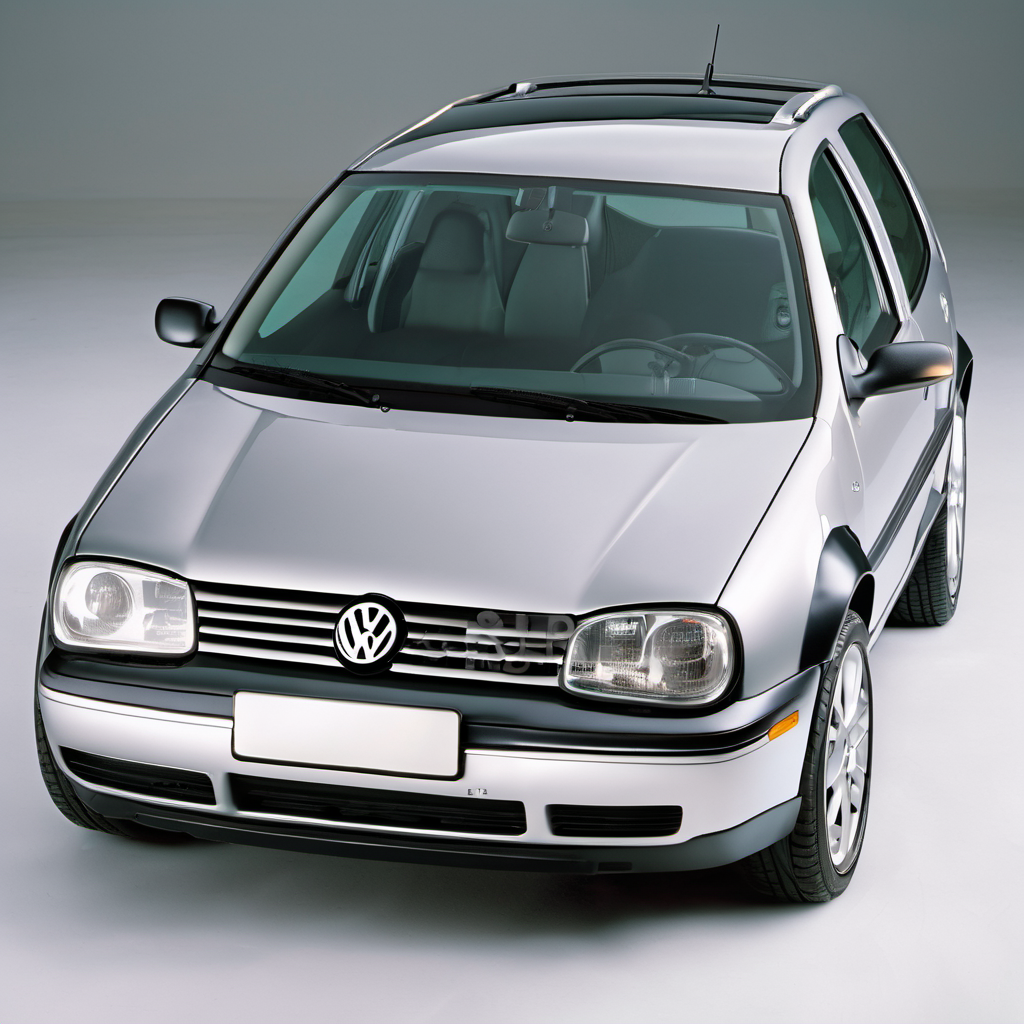
2003 Volkswagen
2.0L I4 · Hatchback
The 2003 Volkswagen Golf (Mk4 generation) is a compact hatchback that earned a loyal following for its solid, tank-like build quality, refined interior, and European driving dynamics. In the US market it was sold as a 3- or 5-door hatchback alongside the related Jetta sedan, sharing most mechanical components. The 2003 model year was near the end of the Mk4 run (2000–2006 US), meaning most production gremlins had been sorted, though the platform's known weak spots were well established by then. Engine choices in 2003 included the 2.0L naturally aspirated four-cylinder (the most common), the 1.8T turbocharged four, and the 1.9L TDI diesel—each with a very different ownership experience. The 1.8T and TDI versions are popular with enthusiasts; the 2.0L base engine is straightforward and inexpensive to maintain. A 5-speed manual or 4-speed automatic transmission was paired depending on the engine. At 20-plus years old, any surviving 2003 Golf is a used-car purchase that lives or dies by its maintenance history. VW of this era is not a 'set it and forget it' vehicle—it rewards attentive owners and punishes neglect with expensive electrical and cooling-system bills. That said, a well-kept example is still a genuinely fun, practical car.
The 2003 Volkswagen Golf (Mk4 generation) is a compact hatchback that earned a loyal following for its solid, tank-like build quality, refined interior, and European driving dynamics. In the US market it was sold as a 3- or 5-door hatchback alongside the related Jetta sedan, sharing most mechanical components. The 2003 model year was near the end of the Mk4 run (2000–2006 US), meaning most production gremlins had been sorted, though the platform's known weak spots were well established by then. Engine choices in 2003 included the 2.0L naturally aspirated four-cylinder (the most common), the 1.8T turbocharged four, and the 1.9L TDI diesel—each with a very different ownership experience. The 1.8T and TDI versions are popular with enthusiasts; the 2.0L base engine is straightforward and inexpensive to maintain. A 5-speed manual or 4-speed automatic transmission was paired depending on the engine. At 20-plus years old, any surviving 2003 Golf is a used-car purchase that lives or dies by its maintenance history. VW of this era is not a 'set it and forget it' vehicle—it rewards attentive owners and punishes neglect with expensive electrical and cooling-system bills. That said, a well-kept example is still a genuinely fun, practical car.
This is a non-negotiable service on the Mk4 Golf. The engine is an interference design — a snapped belt means bent valves and a destroyed engine. Always replace the water pump, tensioner, and idler at the same time since they're already accessible. Use OEM-spec parts.
1.8T engines sludge badly on conventional oil or extended intervals. Even the 2.0L benefits from clean oil. Short intervals are cheap insurance on an aging engine.
Mk4 plastic coolant flanges, thermostat housings, and the water pump impeller all degrade. A flush lets you spot weeping seals before they leave you stranded. Use G12 or G12+ pink VW coolant — do not mix types.
Coil packs on the 1.8T are a known failure item. Inspect all four at plug service; replace any that show heat discoloration or cracking. Misfires that go unaddressed can wash down cylinder walls.
VW specifies this interval for good reason — DOT 4 fluid absorbs moisture quickly in Wisconsin's humid summers and cold winters, reducing boiling point and corroding ABS components.
Blocked cabin filters reduce heat output in winter — a real comfort problem in Wisconsin. Easy DIY job on the Mk4.
Central locking and window regulator failures are extremely common on this generation. Keeping the mechanisms clean and lubricated extends their life considerably and helps prevent frozen locks.
Wisconsin road salt attacks the Mk4's subframe mounting points, brake lines, and fuel lines. Catching early rust and treating it is far cheaper than replacement. Pay close attention to subframe bolt locations.
Always defer to the manufacturer's service manual for warranty-mandated intervals.
The 2003 Golf is cheap to buy but not necessarily cheap to own. Routine maintenance costs are modest, but the platform has known system-level weak spots — especially cooling and the timing belt — that can produce $500–$1,500 surprise bills if they've been deferred. Budget higher in years when major services (timing belt, cooling system) are due. An independent VW specialist will cost significantly less than a dealer for everything on this vehicle.
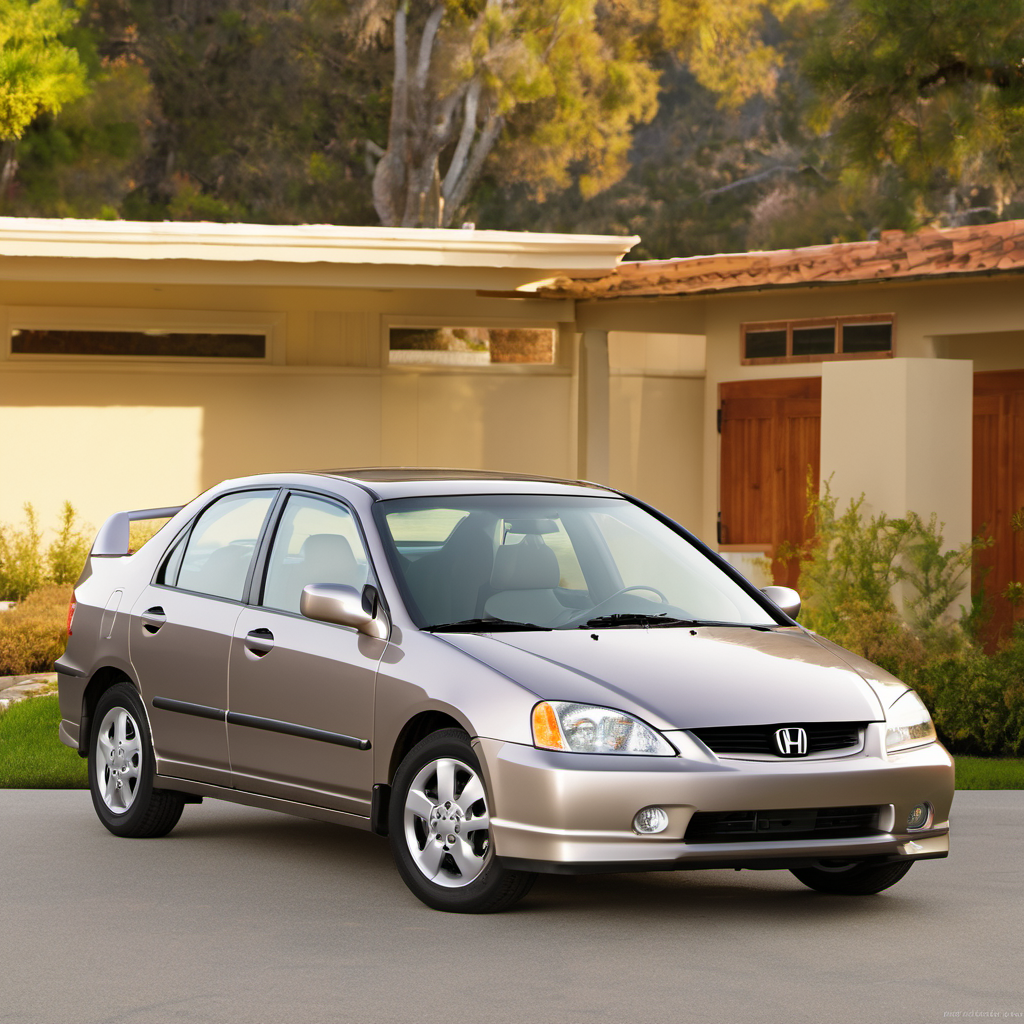
Same compact hatchback/sedan segment, similar price, significantly better long-term reliability and lower ownership costs. Easier to find a well-maintained used example.
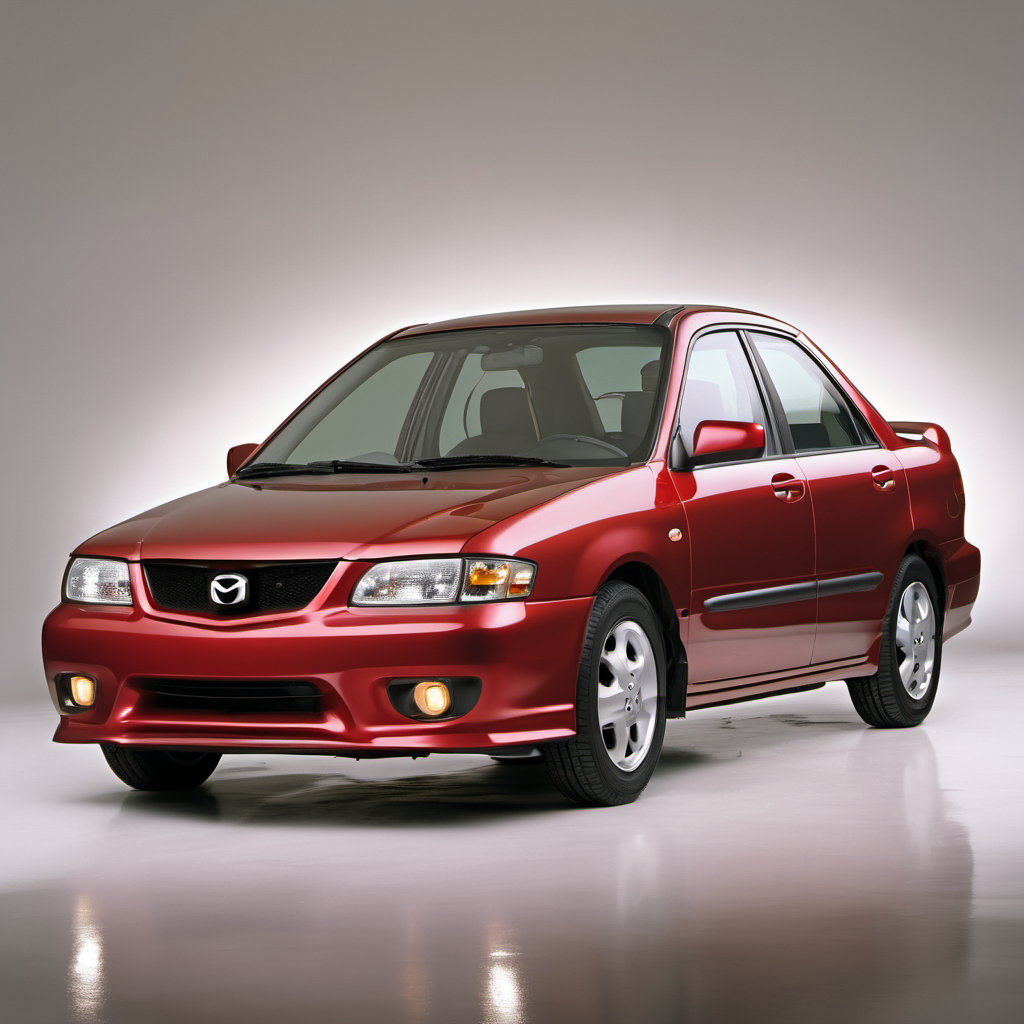
5-door hatchback, similar sporty European-influenced feel, more reliable than the Mk4 VW, and similarly fun to drive. A cult favorite in the same price range.
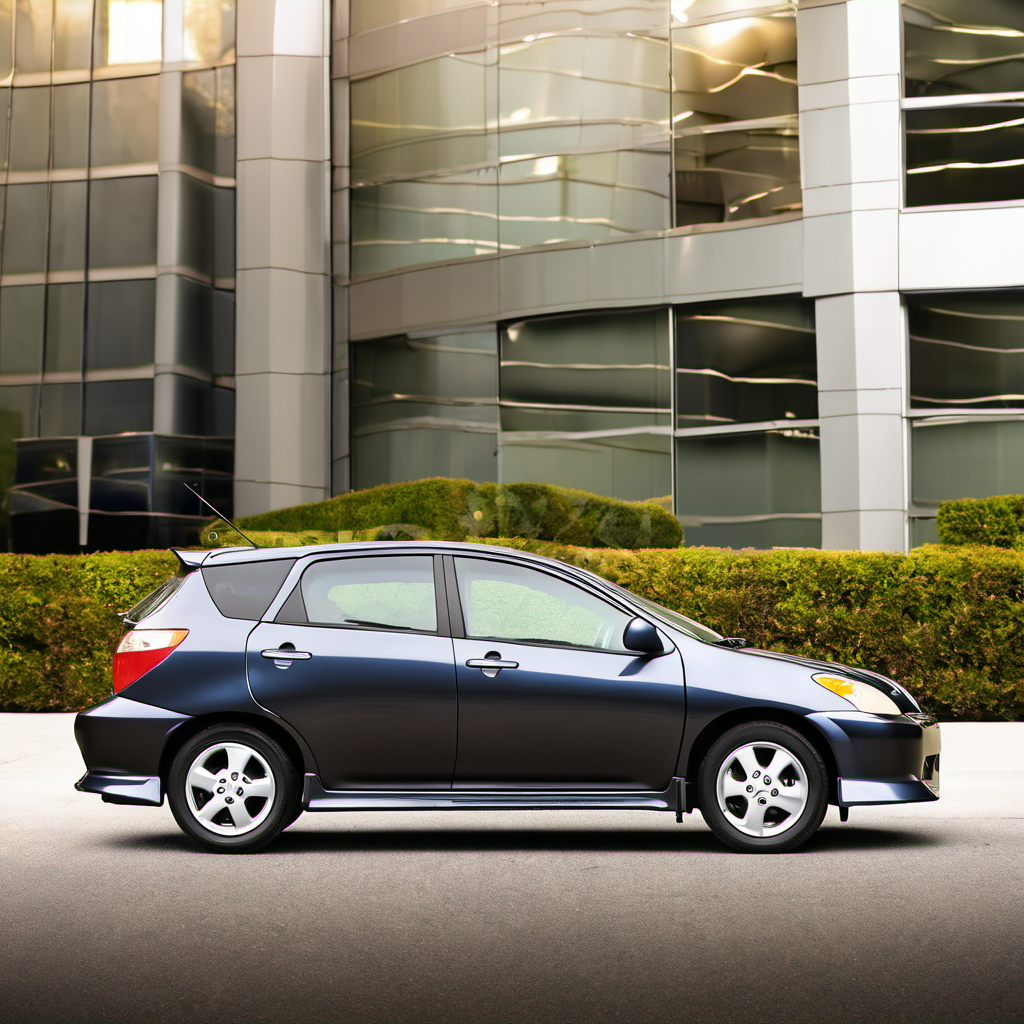
Practical 5-door hatchback form factor, FWD, similar passenger space, and substantially lower maintenance costs over the long haul.
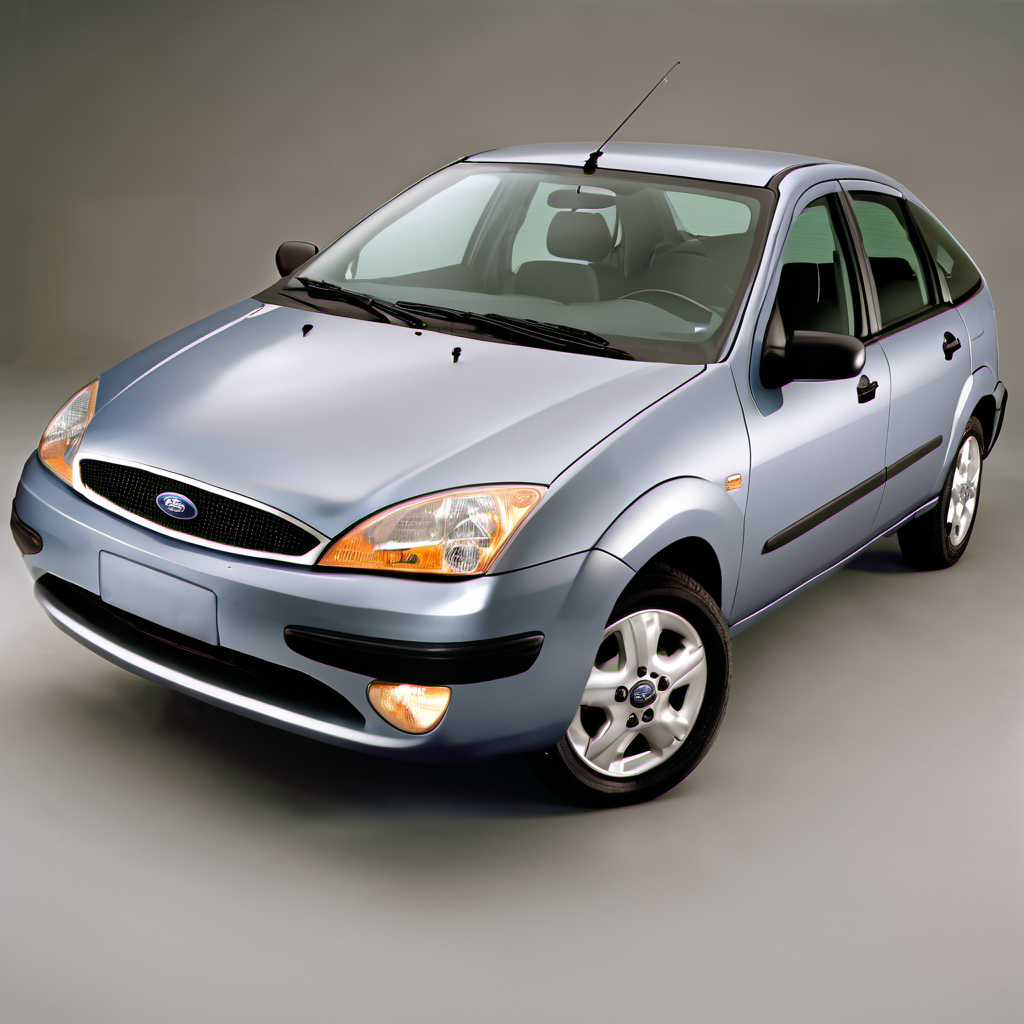
Closest American-brand competitor — hatchback body, similar footprint and price, with lower parts costs. Less refined feel but simpler mechanically.