Engine Oil Sludge (1.8T)
high- Typically appears
- 60–150k mi
- Estimated repair
- $800 – $3,500
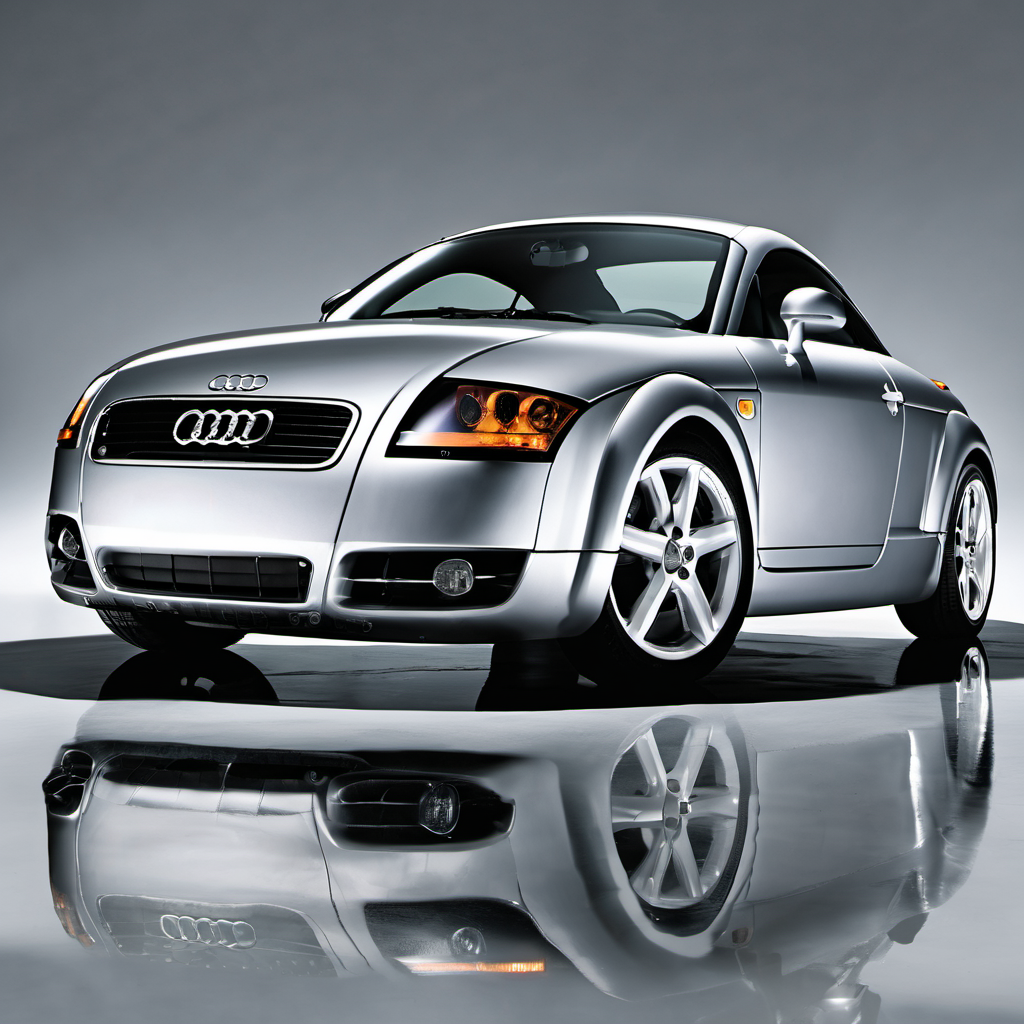
2005 Audi
1.8L I4 Turbocharged · Coupe
The 2005 Audi TT Coupe is the first-generation (8N) model in its final year of production before the second-gen takeover. Built on Volkswagen Group's A4 platform and assembled in Hungary, it earned a devoted following for its striking Bauhaus-inspired styling and genuinely fun driving character. Under the hood sits either a 1.8T four-cylinder or the rarer 3.2L VR6, with quattro AWD available on both. This is a sport compact that skews heavily toward the driving experience over practicality. The rear seats are token at best, cargo space is limited, and running costs are higher than most Japanese alternatives. Parts are VAG (Volkswagen Audi Group) items — often shared with Golf GTI and A4 — which helps availability but doesn't reduce labor costs when German-engineered complexity is involved. At 20 years old, any surviving 2005 TT is deep into its 'enthusiast ownership' phase. The cars that have been properly maintained are genuinely enjoyable; the neglected ones can be money pits. Buyer diligence and a pre-purchase inspection at a VAG-literate shop are non-negotiable.
The 2005 Audi TT Coupe is the first-generation (8N) model in its final year of production before the second-gen takeover. Built on Volkswagen Group's A4 platform and assembled in Hungary, it earned a devoted following for its striking Bauhaus-inspired styling and genuinely fun driving character. Under the hood sits either a 1.8T four-cylinder or the rarer 3.2L VR6, with quattro AWD available on both. This is a sport compact that skews heavily toward the driving experience over practicality. The rear seats are token at best, cargo space is limited, and running costs are higher than most Japanese alternatives. Parts are VAG (Volkswagen Audi Group) items — often shared with Golf GTI and A4 — which helps availability but doesn't reduce labor costs when German-engineered complexity is involved. At 20 years old, any surviving 2005 TT is deep into its 'enthusiast ownership' phase. The cars that have been properly maintained are genuinely enjoyable; the neglected ones can be money pits. Buyer diligence and a pre-purchase inspection at a VAG-literate shop are non-negotiable.
The 1.8T sludge problem is directly tied to extended oil change intervals. Use the correct VW 502.00-rated full synthetic and stick to 5,000-mile changes. This is the single most important thing you can do for this engine.
Interference engine — belt failure equals engine damage. At 20 years old, confirm this was done and when. If unknown, do it now.
Turbocharged engines are harder on plugs than naturally aspirated ones. Fresh plugs support clean combustion and prevent misfires that stress the catalytic converter.
20-year-old plastic cooling components are a roadside breakdown waiting to happen in a Wisconsin summer. Overheating an interference engine is catastrophic.
Audi specifies brake fluid replacement on a time basis, not mileage. DOT 4 fluid absorbs moisture and loses boiling point over time, especially concerning with the quattro's performance braking demands.
VAG manual and automated transmissions respond well to fresh fluid. Often overlooked on used examples.
Dirty intake air on a turbocharged engine increases wear. Wisconsin road dust and debris — especially after winter — clogs filters faster than mild climates.
Lake Geneva road salt is aggressive. Inspect subframe mounting points, brake lines, and rocker panels each spring. Treat any bare metal immediately to prevent structural rust.
Always defer to the manufacturer's service manual for warranty-mandated intervals.
The TT costs more to keep on the road than a same-vintage Japanese sports car. Parts are mostly VAG-shared (helps), but German labor times are real. A healthy, well-maintained example runs $900–$1,500/year in routine maintenance. A neglected example catching up on deferred work can easily hit $2,500–$5,000+ in year one. Always budget for surprises on any 20-year-old European car.
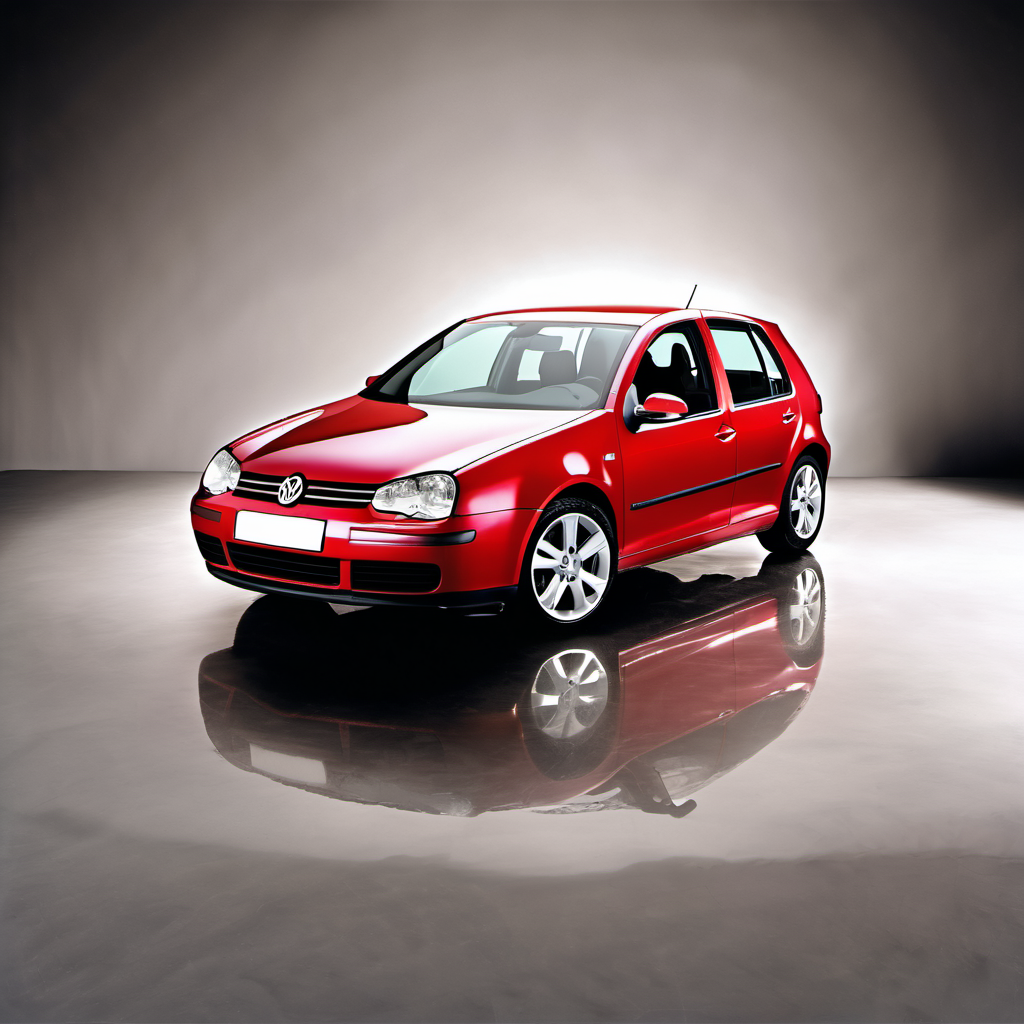
Shares the 1.8T engine and VAG platform. More practical hatchback body, lower purchase price, same parts bin — a rational alternative if styling is less important than utility.
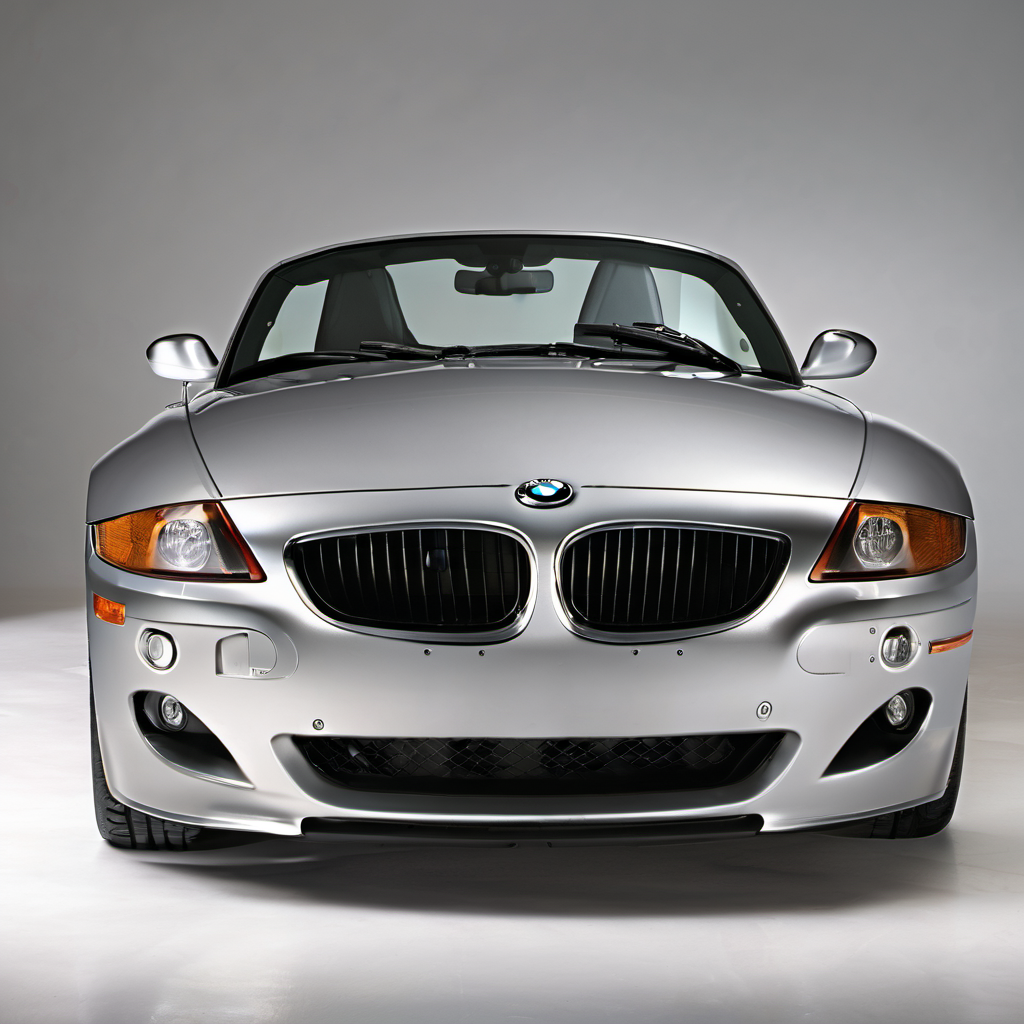
Similar entry-luxury sport coupe positioning and price point. RWD vs. AWD is a key difference; the Z4 is more driver-focused but less all-weather capable.
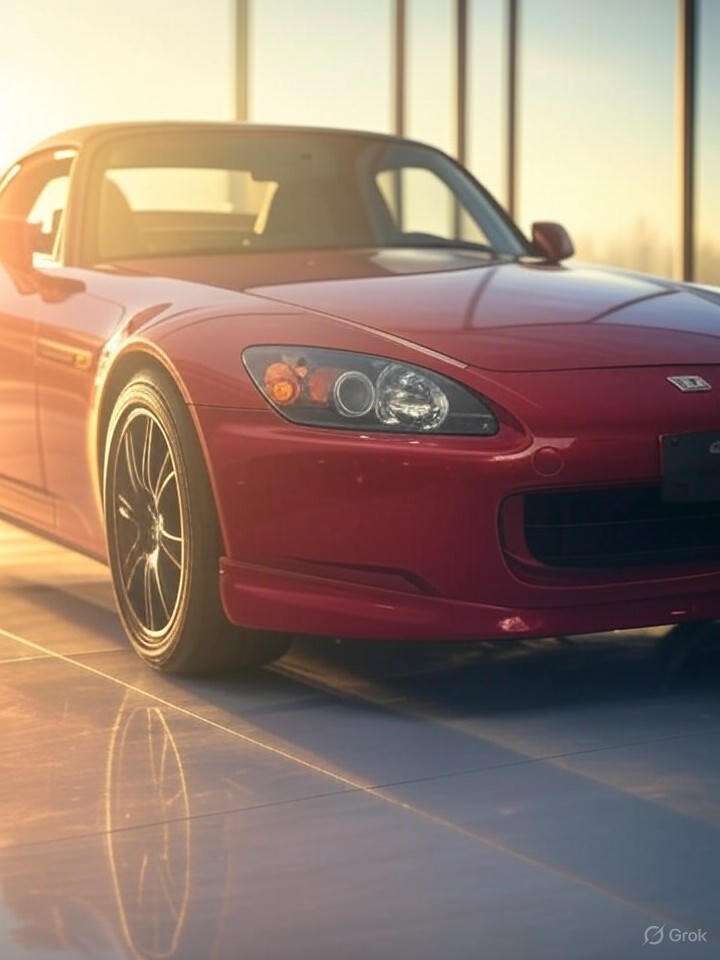
A direct sport coupe rival at similar used prices. More reliable long-term, lower running costs, and rev-happy naturally aspirated engine — but RWD only and no turbo torque.
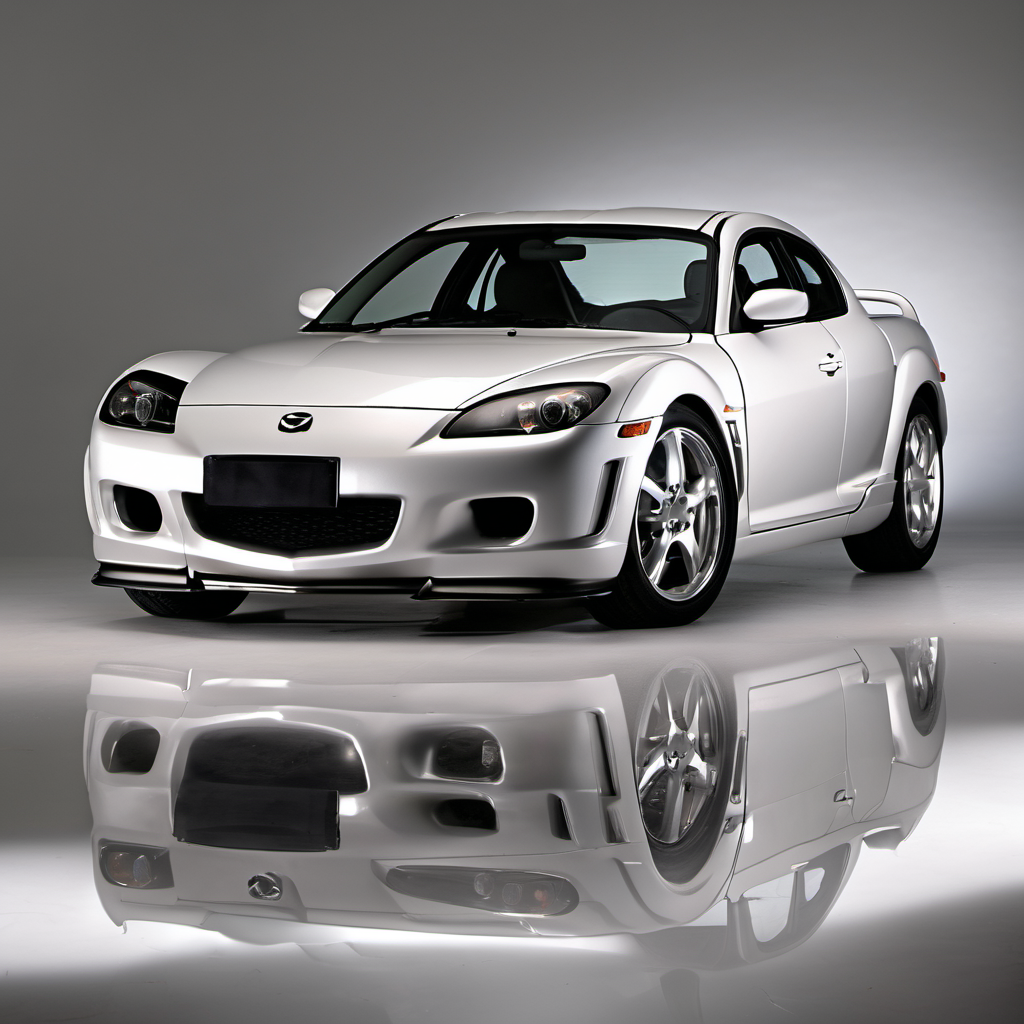
Fun, balanced sport coupe at the same price tier. Unique rotary engine has its own maintenance demands but offers a very different and engaging driving experience.