Air Suspension Compressor and Bag Failure
high- Typically appears
- 60–120k mi
- Estimated repair
- $800 – $3,200
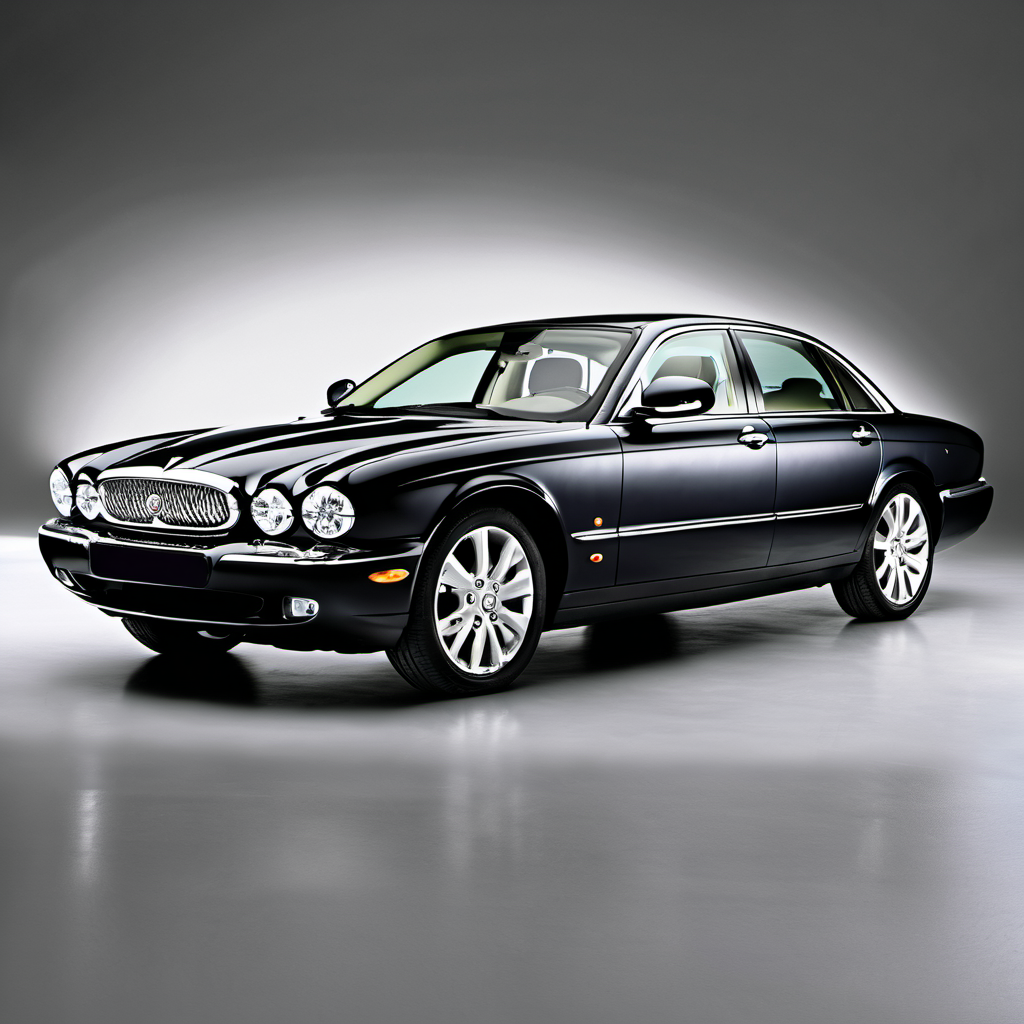
2005 Jaguar
Sedan
The 2005 Jaguar XJ is the first model year of the X350 generation — a landmark car because it swapped Jaguar's traditional steel body for an all-aluminum monocoque, cutting nearly 400 lbs compared to the outgoing X308. The result is a large luxury sedan that drives with genuine athleticism: planted in corners, supple over rough pavement, and powered by a 4.2L V8 that pulls hard from low revs. Jaguar paired the lighter body with a revised ZF six-speed automatic and an independent rear suspension that remains a benchmark for the segment. That aluminum construction is also the car's double-edged sword for long-term owners. Repairs cost more because aluminum doesn't respond to conventional steel bodywork techniques, and the dissimilar-metal corrosion risk at steel fastener points is real — especially in a salt-belt state like Wisconsin. Electronics and air suspension are the other ownership wildcards: when they work, they're impressive; when they fail, repair bills can be sobering. If you buy one in good shape, maintain it diligently, and budget honestly for its upkeep, the X350 XJ is a genuinely rewarding car. If you're expecting Toyota-level reliability or Honda-level parts costs, this is not the vehicle for you.
The 2005 Jaguar XJ is the first model year of the X350 generation — a landmark car because it swapped Jaguar's traditional steel body for an all-aluminum monocoque, cutting nearly 400 lbs compared to the outgoing X308. The result is a large luxury sedan that drives with genuine athleticism: planted in corners, supple over rough pavement, and powered by a 4.2L V8 that pulls hard from low revs. Jaguar paired the lighter body with a revised ZF six-speed automatic and an independent rear suspension that remains a benchmark for the segment. That aluminum construction is also the car's double-edged sword for long-term owners. Repairs cost more because aluminum doesn't respond to conventional steel bodywork techniques, and the dissimilar-metal corrosion risk at steel fastener points is real — especially in a salt-belt state like Wisconsin. Electronics and air suspension are the other ownership wildcards: when they work, they're impressive; when they fail, repair bills can be sobering. If you buy one in good shape, maintain it diligently, and budget honestly for its upkeep, the X350 XJ is a genuinely rewarding car. If you're expecting Toyota-level reliability or Honda-level parts costs, this is not the vehicle for you.
The AJ-V8's MVVC variable valve timing system is oil-pressure dependent. Sludged or low oil is the single fastest way to trigger VVT codes (P0012–P0029) and cause expensive camshaft phaser damage.
Aluminum engines are sensitive to degraded coolant. Low pH coolant accelerates corrosion inside the block and on the water pump housing.
Cold temperatures accelerate air bag cracking and compressor wear. Catching a slow leak early costs far less than a full compressor replacement mid-winter.
Hygroscopic DOT 4 fluid absorbs moisture quickly. Degraded fluid lowers boiling point and accelerates corrosion in ABS modulators, which are expensive on this platform.
Running degraded plugs on the AJ-V8 causes misfires that can damage the catalytic converters — a much more expensive downstream repair.
Jaguar called the fluid 'lifetime,' but real-world ownership shows extending beyond 60k on a used car leads to shift quality degradation and expensive valve body repairs.
Dissimilar-metal corrosion between steel fasteners and the aluminum structure is accelerated dramatically by road salt. This is the lowest-cost, highest-return maintenance on a Wisconsin XJ.
The XJ's electronics-heavy architecture is hard on batteries. A weak battery in sub-zero temps can trigger spurious module communication faults (U0100–U0104) that look expensive but clear once the battery is replaced.
Always defer to the manufacturer's service manual for warranty-mandated intervals.
The 2005 XJ is cheap to buy but not cheap to own. A clean, well-maintained example might cost $10,000–$16,000 today, but annual upkeep in the $1,400–$2,500 range assumes nothing goes wrong. A single air suspension overhaul, VVT repair, or module replacement can push one bad year past $4,500. Budget a repair reserve of $100–$150/month. Find an independent shop experienced with Jaguar/Land Rover before you buy — in the Lake Geneva area, dealer service pricing will significantly inflate every line item.
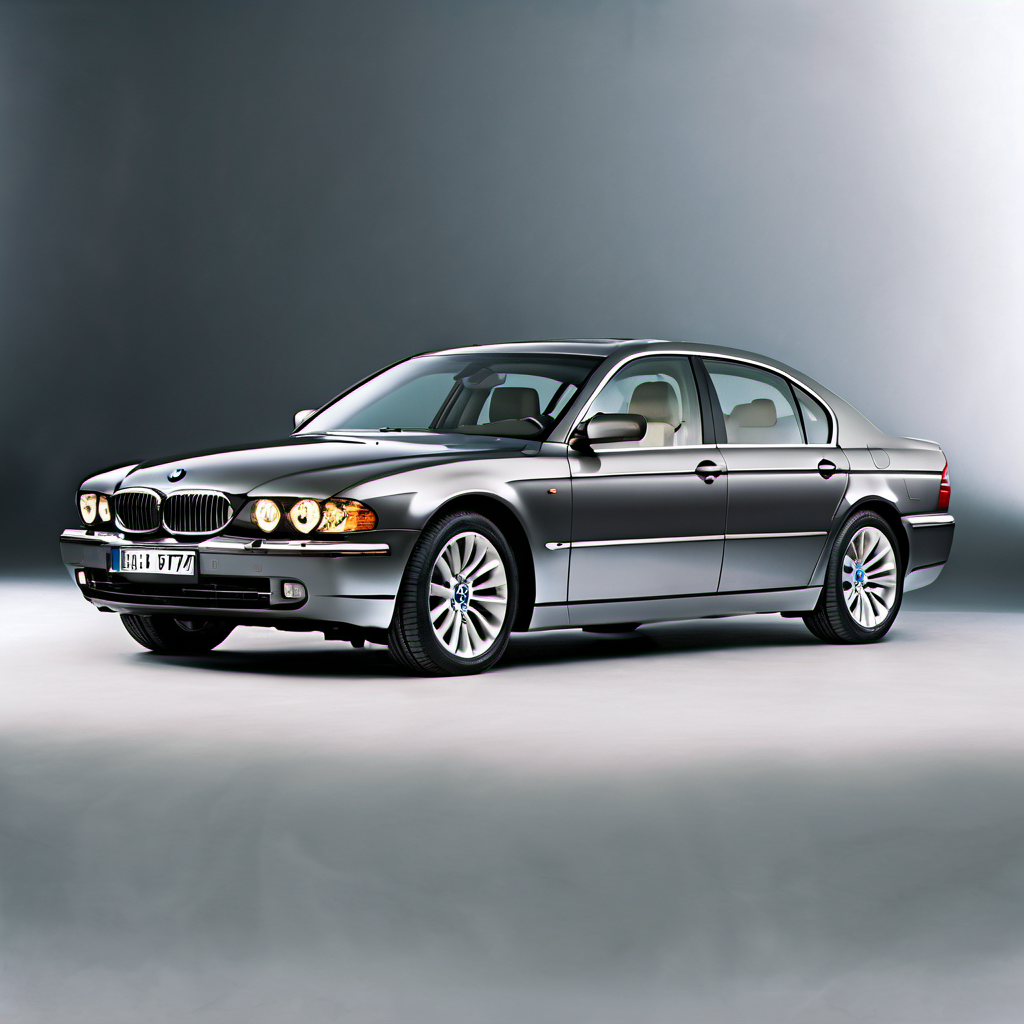
Same segment, same price point used, RWD V8 flagship sedan. The E65 has its own notorious electronics issues (iDrive, Valvetronic) but parts availability is better and independent shop familiarity is higher in the Midwest.
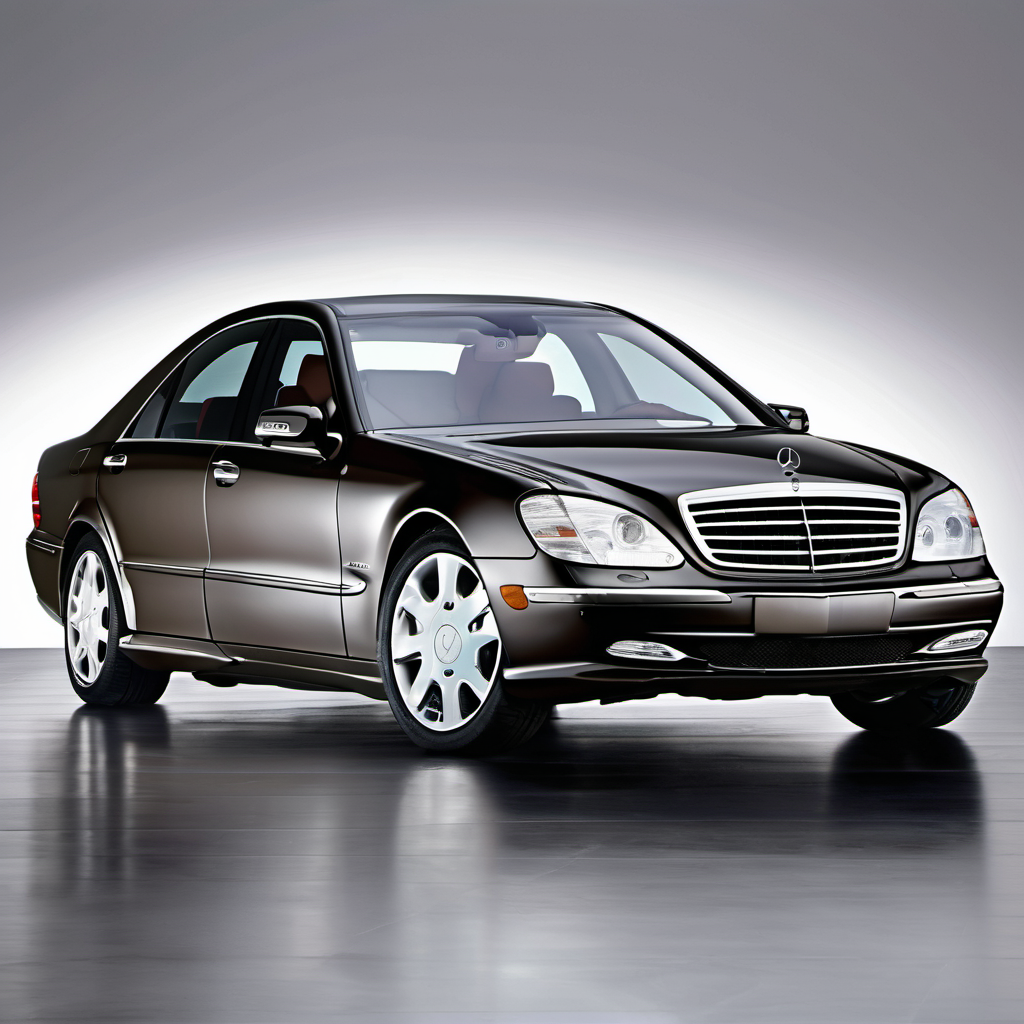
Directly competitive flagship luxury sedan with a V8. Air suspension is also common and equally failure-prone at this age. Better parts network nationwide but comparable ownership cost.
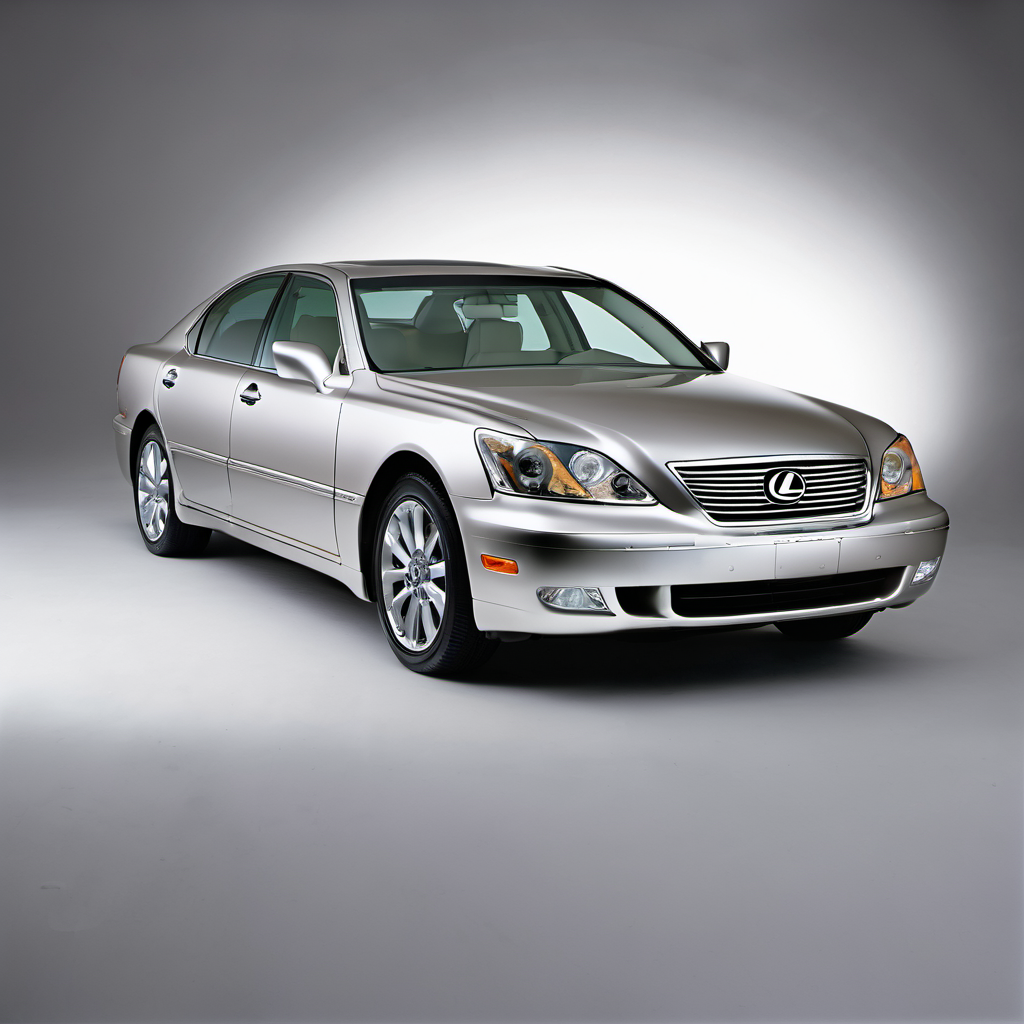
If reliability is the priority over driving character, the LS430 is the benchmark answer in this segment. Far lower repair frequency, excellent cold-start reliability, and a smoother ownership experience — but less engaging to drive.
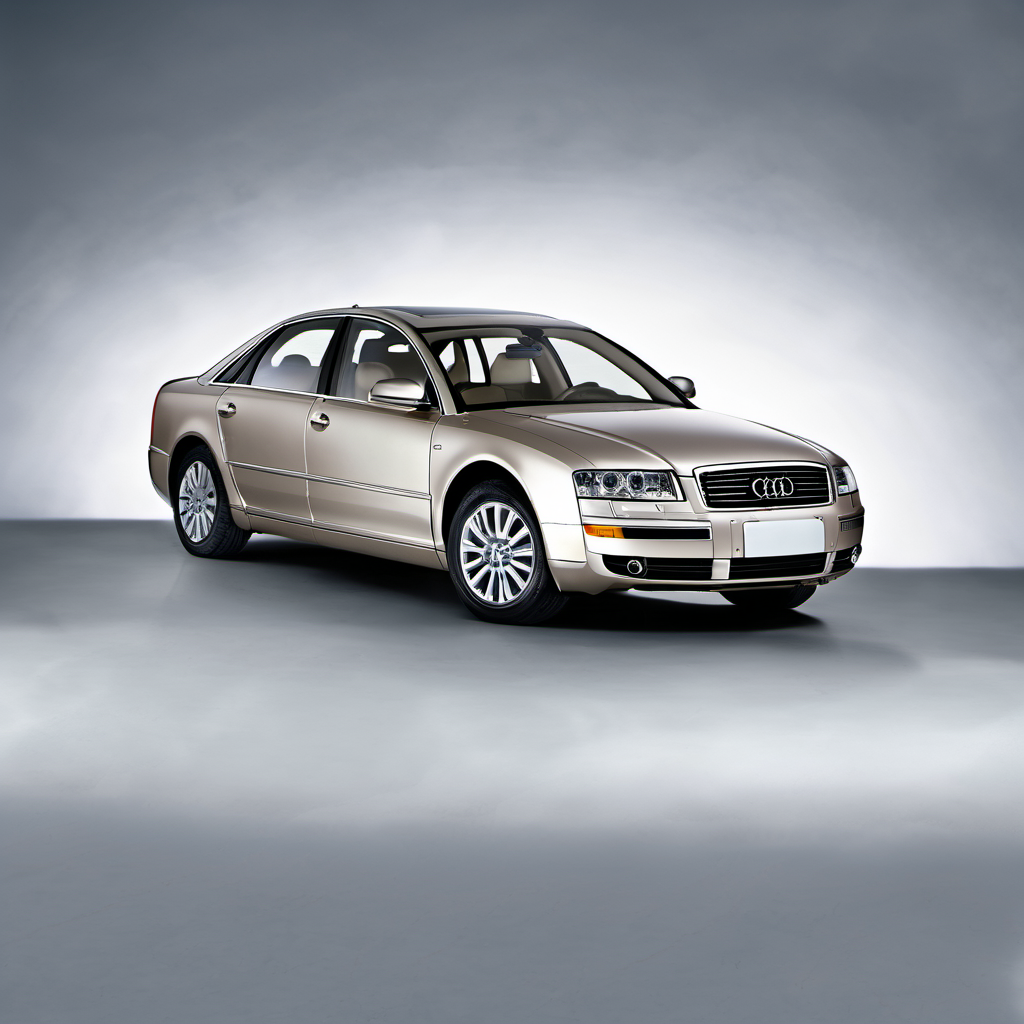
Also uses an aluminum space frame (ASF), V8 power, and competes directly in price. AWD is a meaningful advantage for Wisconsin winters, but Audi's maintenance costs at this age are similarly elevated.