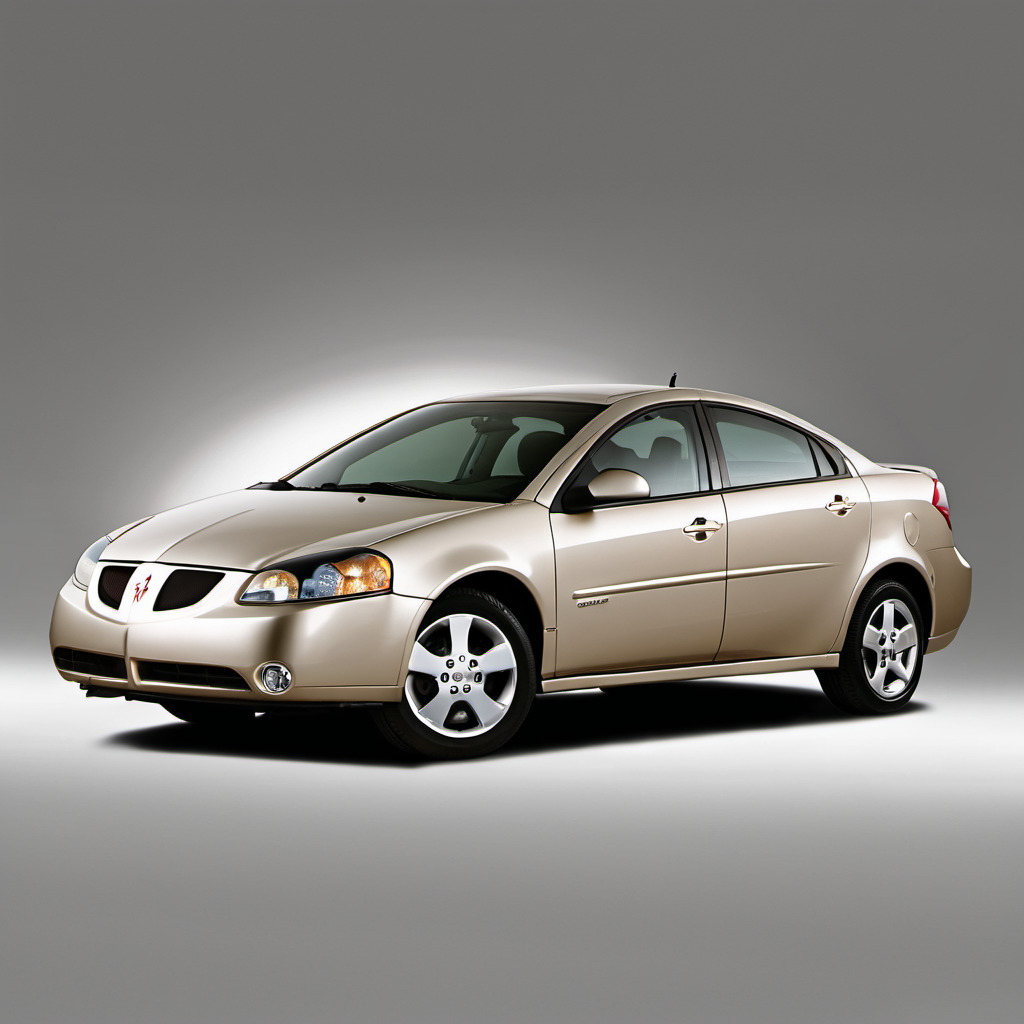
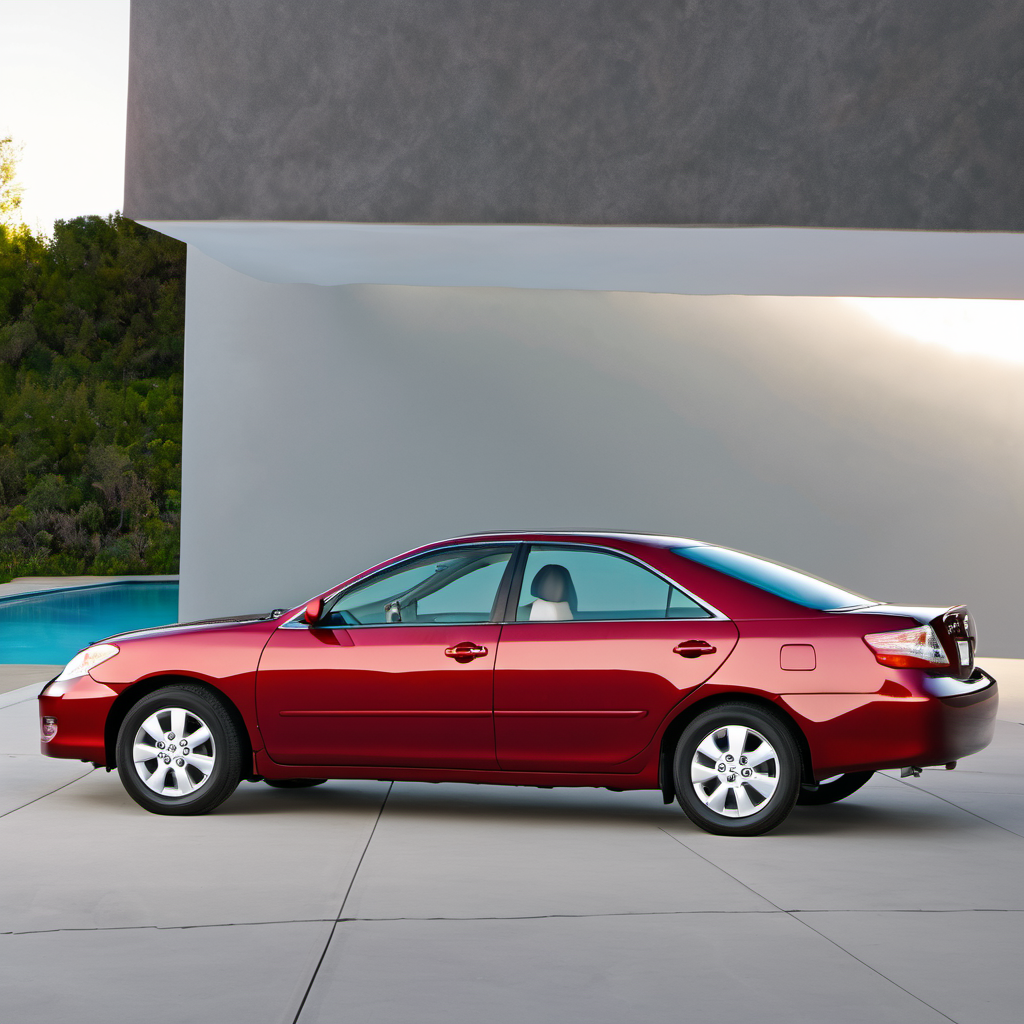
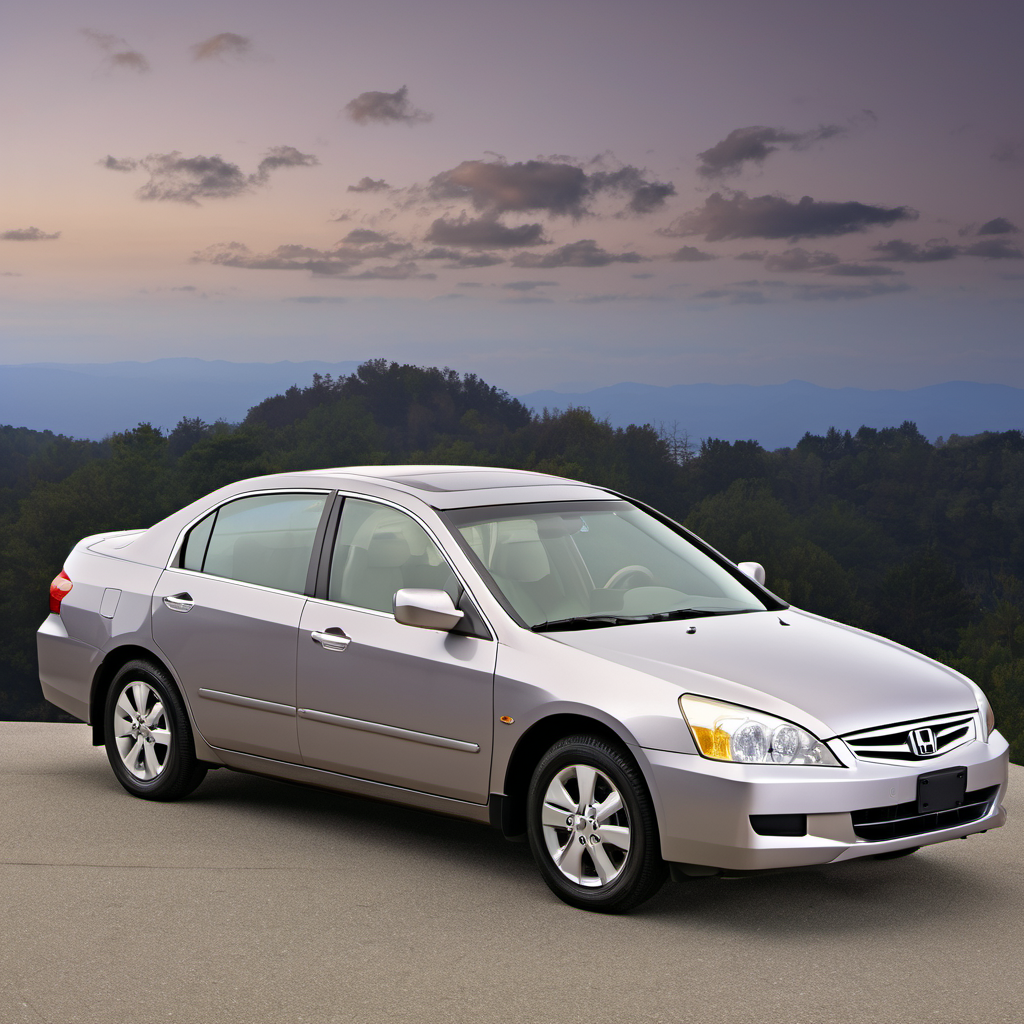
2005 Pontiac G6 Sedan

2005 Pontiac

G6Sedan

Sedan

The 2005 Pontiac G6 was GM's replacement for the Grand Am, built on the Epsilon platform and aimed squarely at the mid-size family sedan segment. It launched with a choice of four-cylinder or V6 power, sporty styling, and a competitive feature set for the price. The G6 was Pontiac's attempt to shed the rental-car stigma of its predecessor and attract younger buyers who wanted something that at least looked like a performance car. In practice, the G6 delivered a comfortable, quiet ride and decent highway fuel economy, but it never quite matched Honda and Toyota rivals for long-term durability or refinement. It was assembled in Orion Township, Michigan, and sold in reasonable numbers through the 2010 model year — surviving Pontiac's brand cancellation only because production was already winding down. For buyers today, the G6 is a low-cost entry into a usable, parts-accessible used car. The 3.5L V6 is the engine to have — it's a known quantity with a relatively simple valvetrain. Just budget for higher-mileage wear items and expect some age-related electrical gremlins.

Reliability
2/5
Verified data
Specs shown for G6 — the most common configuration. Other trims may vary in engine, drivetrain, or fuel economy. Sign in to see your vehicle's exact specs.
Engine
[object Object]
Drivetrain
FWD
Fuel
Gasoline
MPG
20 city / 29 hwy / 23 combined
Seats
Doors
Body
Compact Cars

Overview

AI-curated

The 2005 Pontiac G6 was GM's replacement for the Grand Am, built on the Epsilon platform and aimed squarely at the mid-size family sedan segment. It launched with a choice of four-cylinder or V6 power, sporty styling, and a competitive feature set for the price. The G6 was Pontiac's attempt to shed the rental-car stigma of its predecessor and attract younger buyers who wanted something that at least looked like a performance car. In practice, the G6 delivered a comfortable, quiet ride and decent highway fuel economy, but it never quite matched Honda and Toyota rivals for long-term durability or refinement. It was assembled in Orion Township, Michigan, and sold in reasonable numbers through the 2010 model year — surviving Pontiac's brand cancellation only because production was already winding down. For buyers today, the G6 is a low-cost entry into a usable, parts-accessible used car. The 3.5L V6 is the engine to have — it's a known quantity with a relatively simple valvetrain. Just budget for higher-mileage wear items and expect some age-related electrical gremlins.

Known for
  • Sporty exterior styling that aged reasonably well
  • Smooth, comfortable highway ride with the V6
  • Affordable used purchase price and widely available parts
  • Decent highway fuel economy for a V6 sedan of its era
Best for
  • Budget-conscious commuters who need a V6 sedan
  • Buyers comfortable with DIY or independent-shop maintenance
  • Short-to-medium highway trips where ride comfort matters
Watch for
  • Intake manifold gasket failures common on the 3.5L V6
  • Power steering pump and rack wear at higher mileages
  • Electrical gremlins including instrument cluster and HVAC controls
  • Rust on rocker panels and rear wheel arches — critical in Wisconsin salt country
  • Transmission shudder and solenoid issues in the 4T65-E automatic

Common issues by mileage

6 known

Intake manifold gasket failure (coolant leak / overheating)

high
Typically appears
60–120k mi
Estimated repair
$350 – $650

4T65-E transmission shudder and shift solenoid failure

medium
Typically appears
90–150k mi
Estimated repair
$300 – $900

Power steering pump failure / rack-and-pinion leak

medium
Typically appears
80–130k mi
Estimated repair
$250 – $700

Instrument cluster failure (gauges stop working, odometer blanks)

high
Typically appears
60–120k mi
Estimated repair
$150 – $400

Oxygen sensor heater circuit failure

medium
Typically appears
70–120k mi
Estimated repair
$100 – $300

Maintenance schedule

  1. 1
    Every 5,000 miles or 6 months — do not stretch to GM's oil life monitor maximums on a high-mileage engine Engine oil and filter change

    The 3.5L V6 is sensitive to oil sludge buildup. Dirty oil accelerates VVT solenoid wear and can trigger camshaft timing codes. Use the recommended 5W-30.

  2. 2
    Every 2 years or 30,000 miles Coolant system inspection and coolant flush

    Intake manifold gasket failure is the #1 costly repair on this engine. Keeping coolant in spec and catching early seepage at the gasket seam saves a much larger repair bill.

  3. 3
    Every 45,000 miles (more frequently if towing or lots of stop-and-go) Transmission fluid change

    GM's 4T65-E is durable when fluid is fresh. Burnt fluid accelerates solenoid wear and causes the shudder condition that is expensive to fix.

  4. 4
    Inspect every 15,000 miles; flush every 50,000 miles Power steering fluid check and flush

    Low or degraded fluid speeds up pump and rack wear. Watch for whine on cold starts — a classic early warning sign.

  5. 5
    Every 60,000 miles or at any sign of cracking/glazing Serpentine belt and tensioner inspection

    Belt failure strands you. On a 20-year-old car, replace by mileage rather than appearance alone.

  6. 6
    Every 60,000 miles Spark plugs (iridium OEM spec)

    The 3.5L runs coil-on-plug ignition. Worn plugs increase misfire risk and can cause rough cold starts — especially notable in Wisconsin winters.

  7. 7
    Every spring after salt season Underbody and rocker panel rust inspection

    These cars rust aggressively on Wisconsin roads. Catching surface rust early and treating it is far cheaper than structural repairs or frame compromise.

  8. 8
    Every fall before winter, or every 3 years Battery load test

    Cold cranking demand in Wisconsin winters will reveal a marginal battery before it leaves you stranded. A battery that tests borderline in October will likely fail in January.

Always defer to the manufacturer's service manual for warranty-mandated intervals.

Cost of ownership

Annual maintenance
$600 – $1,400
Fuel
At 23 MPG combined and average Wisconsin driving, expect roughly $1,700–$2,200/year at current regional gas prices. Highway-heavy drivers will land closer to the lower end.
Insurance
Generally low — older, low-value sedan in a non-sports category. Expect $800–$1,300/year for full coverage depending on driving record and zip code.

The G6 is cheap to buy but not dirt cheap to own. Routine maintenance is affordable, but the intake gasket, transmission, and instrument cluster are expensive surprises that frequently hit in the 80–130k mile range. Budget a repair reserve on top of normal maintenance — $500–$800 set aside is not excessive for a vehicle this age.
Seasonal care

Lake Geneva, WI
Winter
  • Test the battery every fall — the 3.5L needs strong cold cranking amps below 0°F, and a weak battery will fail fast in a Wisconsin winter.
  • Switch to a full-synthetic 5W-30 if not already used — it flows faster on cold starts and reduces wear during the critical first minutes of operation.
  • Inspect the cooling system before freeze-up: a small intake gasket seep that's manageable in summer can cause a dangerous coolant loss event in cold weather.
  • Use a name-brand winter windshield washer fluid rated to at least -20°F — the G6's reservoir and lines can freeze with diluted fluid.
  • Check that the power steering fluid is at the correct level; cold fluid thickens and amplifies any existing pump whine or stiffness.
  • Rinse the undercarriage every 1–2 weeks during heavy salt season, paying attention to rocker panels and wheel arches where these cars rust first.
Summer
  • Verify the A/C is blowing cold before the first heat wave — recharge if needed, but have the system leak-checked first so refrigerant isn't wasted.
  • Check tire pressure monthly; ambient temperature swings between spring and summer can drop PSI by 2–4 lbs and cause uneven wear on the front tires.
  • Inspect the serpentine belt for heat-related cracking; hot engine bay temperatures accelerate belt aging on a 20-year-old car.
  • Monitor coolant temperature closely on hot days — a marginally failing intake gasket that was manageable in winter can push temps higher when ambient heat rises.

Comparable vehicles

If you're shopping for one

Red flags
  • Rust perforation on rockers or floor — structural rust on a 20-year-old FWD sedan is not economically repairable.
  • Milky or low coolant with no explanation — intake gasket failure in progress.
  • Transmission shudder or slipping, especially in overdrive.
  • Any camshaft position timing DTC (P0012, P0015, P0022, P0025) without a clear, documented repair — suggests long oil change intervals or sludge buildup.
  • Missing service records — on a vehicle this age and known for maintenance-sensitive failures, no records means assume the worst.
  • Overheating history noted on Carfax or by the seller — often masks a botched intake gasket repair.
What to inspect
  • Rocker panels, rear wheel arches, and undercarriage for rust — this is the #1 deal-breaker on Wisconsin cars of this age.
  • Coolant level and condition: milky or oily coolant means the intake gasket is already failing. Walk away or price it into your offer.
  • Transmission behavior: should shift smoothly through all gears with no shudder at 40–45 mph. Shudder often means a $500–$900 transmission service or solenoid repair.
  • Instrument cluster: confirm all gauges read correctly and the odometer display is solid. Cluster rebuilds add $150–$400.
  • Power steering feel: no whine on cold start, no looseness or pull. Check for fluid leaks on the rack boots.
  • Check engine light history: pull codes before purchase; camshaft timing codes (P0012, P0015, P0022, P0025) on a high-mileage car can indicate oil maintenance neglect.
AI profile generated 10 days ago · claude-sonnet-4-6 · v2.