Timing Belt Failure (Interference Engine)
high- Typically appears
- 60–105k mi
- Estimated repair
- $400 – $750
/2006_Kia_Optima_(2006.5)_b1c03d78_00001_.png)
2006 Kia
Sedan
The 2006 Kia Optima is a second-generation (MG) mid-size front-wheel-drive sedan that represented Kia's push into mainstream family-car territory. Sharing its platform with the Hyundai Sonata, it offered solid interior space and a comfortable ride at a price point well below its Japanese and American rivals. At nearly two decades old, surviving examples are budget transportation — expect deferred maintenance to be the norm rather than the exception. The 2.4L four-cylinder is the volume engine for this generation and is generally durable when oil change intervals are respected. However, many of these cars have aged into neglect: worn belts, tired cooling systems, and rust are real concerns in the Wisconsin market. Resale value is low, which cuts both ways — cheap to buy, but repairs relative to vehicle value can be hard to justify. As daily drivers go, a well-maintained 2006 Optima can still serve reliably for urban and highway use. It is not a performance or enthusiast vehicle. Buyers should focus their inspection energy on the undercarriage for salt corrosion, the timing belt (interference engine — this is critical), and the automatic transmission.
The 2006 Kia Optima is a second-generation (MG) mid-size front-wheel-drive sedan that represented Kia's push into mainstream family-car territory. Sharing its platform with the Hyundai Sonata, it offered solid interior space and a comfortable ride at a price point well below its Japanese and American rivals. At nearly two decades old, surviving examples are budget transportation — expect deferred maintenance to be the norm rather than the exception. The 2.4L four-cylinder is the volume engine for this generation and is generally durable when oil change intervals are respected. However, many of these cars have aged into neglect: worn belts, tired cooling systems, and rust are real concerns in the Wisconsin market. Resale value is low, which cuts both ways — cheap to buy, but repairs relative to vehicle value can be hard to justify. As daily drivers go, a well-maintained 2006 Optima can still serve reliably for urban and highway use. It is not a performance or enthusiast vehicle. Buyers should focus their inspection energy on the undercarriage for salt corrosion, the timing belt (interference engine — this is critical), and the automatic transmission.
This is an interference engine — a snapped timing belt means bent valves and a likely engine replacement. Replacing the water pump at the same time is cheap insurance since it's already exposed. Confirm it has been done before buying.
At this age and mileage, stick to the shorter interval. The 2.4L can develop sludge if oil changes are stretched, especially if the car sees short-trip city driving common in Wisconsin winters.
Kia's factory 'lifetime fluid' guidance does not account for high-mileage or hard-use conditions. Fresh fluid extends transmission life noticeably on these aging units.
Degraded coolant accelerates corrosion inside the cooling system and loses freeze protection — a real issue at sub-zero Wisconsin temperatures.
Road salt is extremely aggressive on steel brake lines. A blown brake line is a safety emergency. Have them inspected and sleeved or replaced if any external rust pitting is found.
These age alongside the timing belt and are inexpensive to replace at the same visit.
Worn plugs cause misfires and hard starts, both amplified by cold Wisconsin winters.
Wisconsin road salt accelerates rust on subframes, exhaust, and brake hardware. Regular washing from underneath is the cheapest rust prevention available.
Always defer to the manufacturer's service manual for warranty-mandated intervals.
The 2006 Optima is cheap to insure and reasonably economical on fuel, but maintenance costs on a high-mileage, aging example can spike quickly. A timing belt job, transmission service, or brake line repair can each exceed the car's private-party value in one visit. Budget for the unexpected and keep a repair-vs.-value threshold in mind.
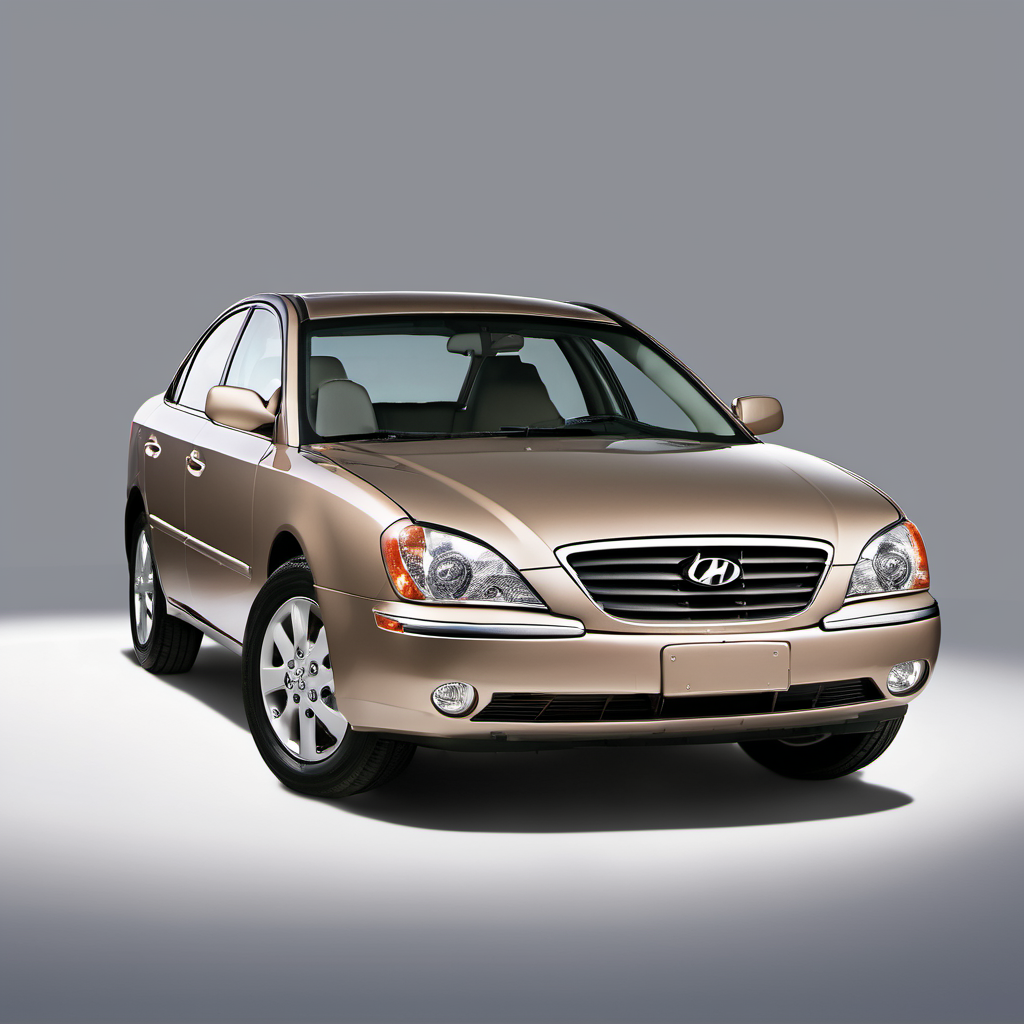
Shares the same platform, many of the same mechanical components, and a similar price range. Parts interchangeability makes Sonata ownership very comparable, and it's often slightly better-regarded by reliability trackers.
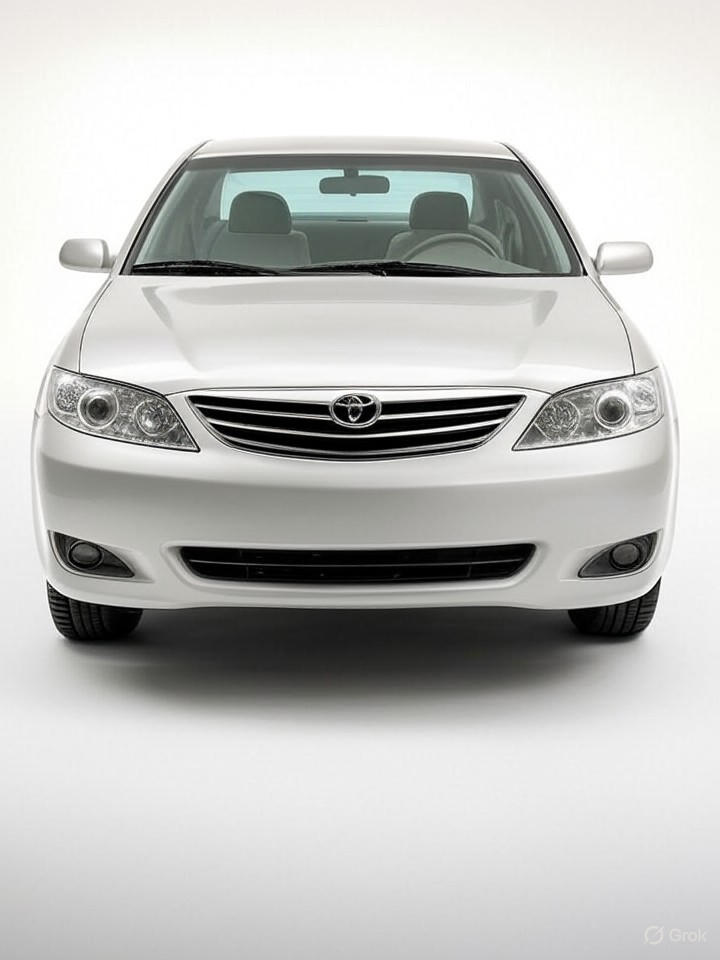
Same segment, similar size, and similarly aged examples are available at comparable prices. The Camry carries a notably stronger long-term reliability reputation and tends to resist rust slightly better.
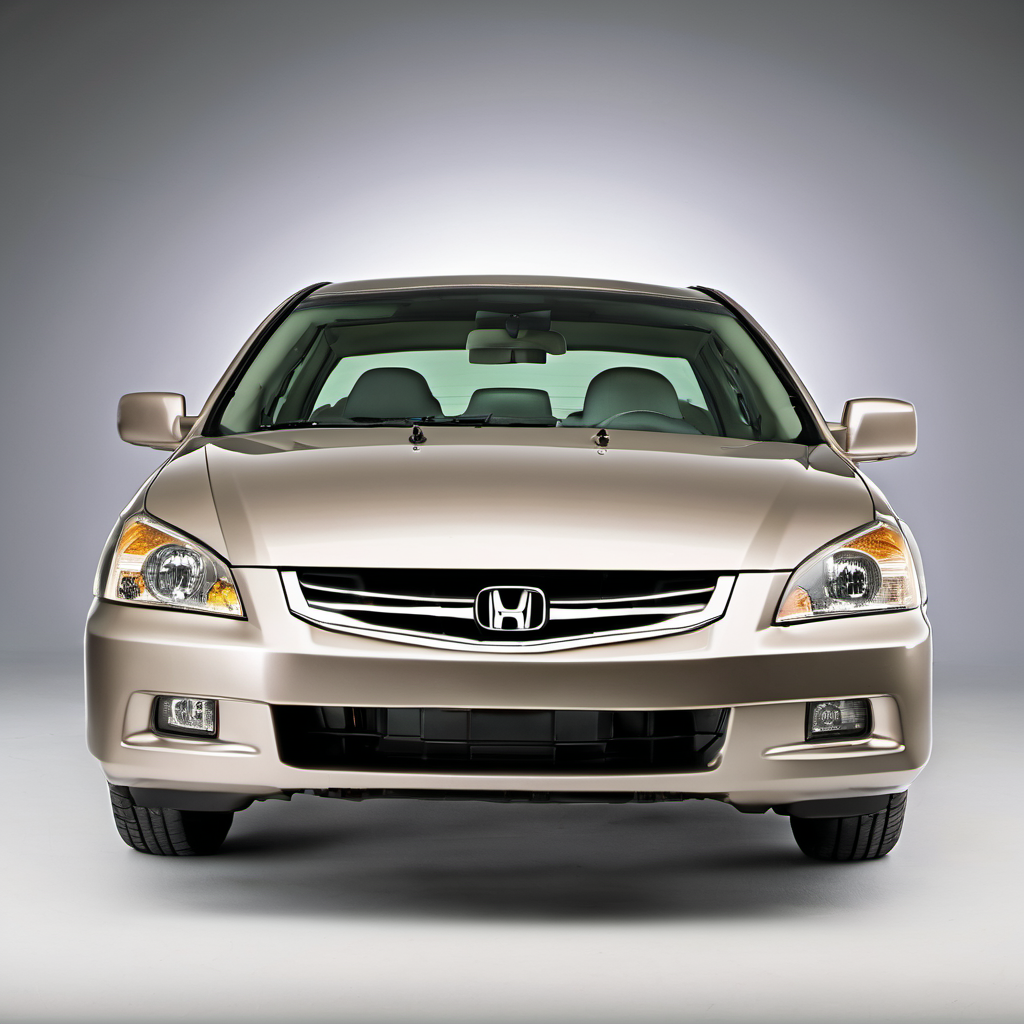
Direct competitor in the mid-size sedan space at this price point. The 2006 Accord 4-cylinder has a strong reliability track record and good parts availability, making it a strong alternative.
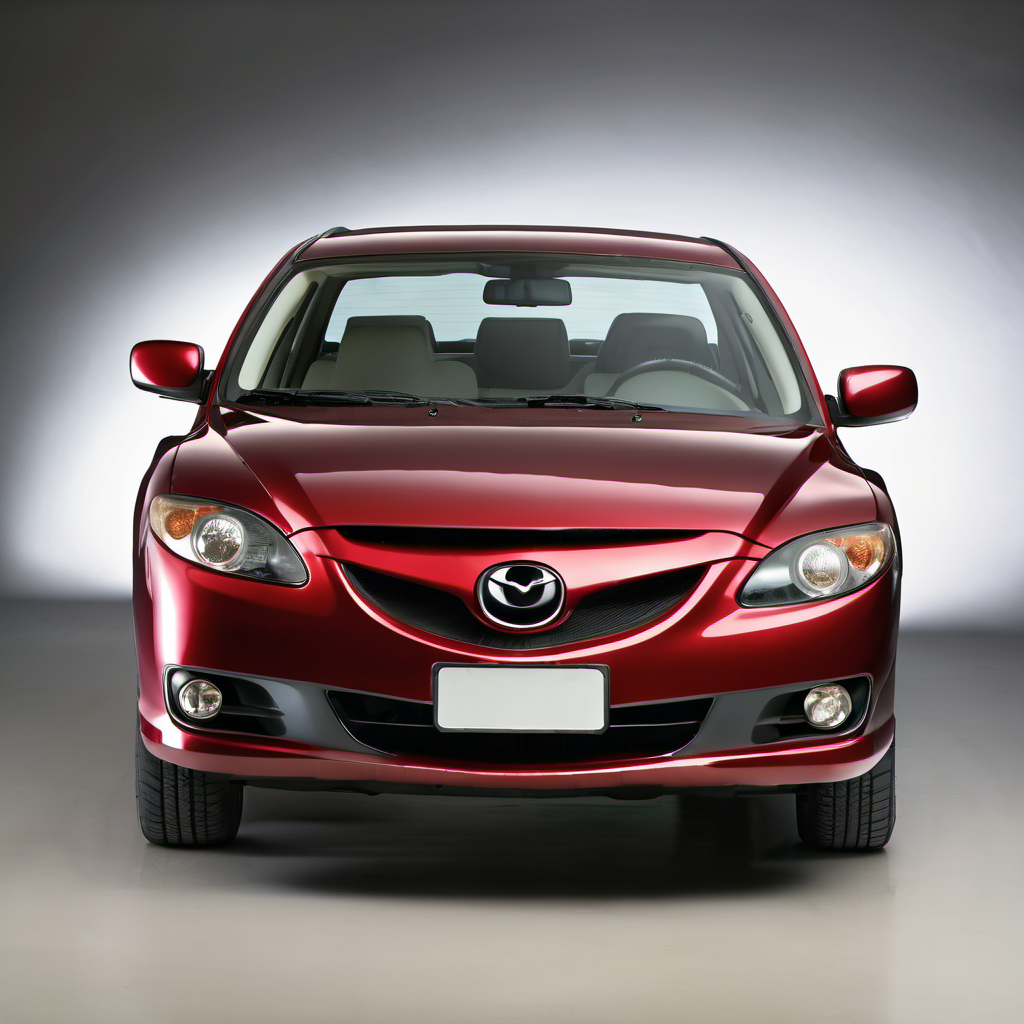
Similar size, price, and FWD family-sedan mission. The Mazda6 offers a more engaging drive and competitive reliability, though parts can be slightly harder to source locally.