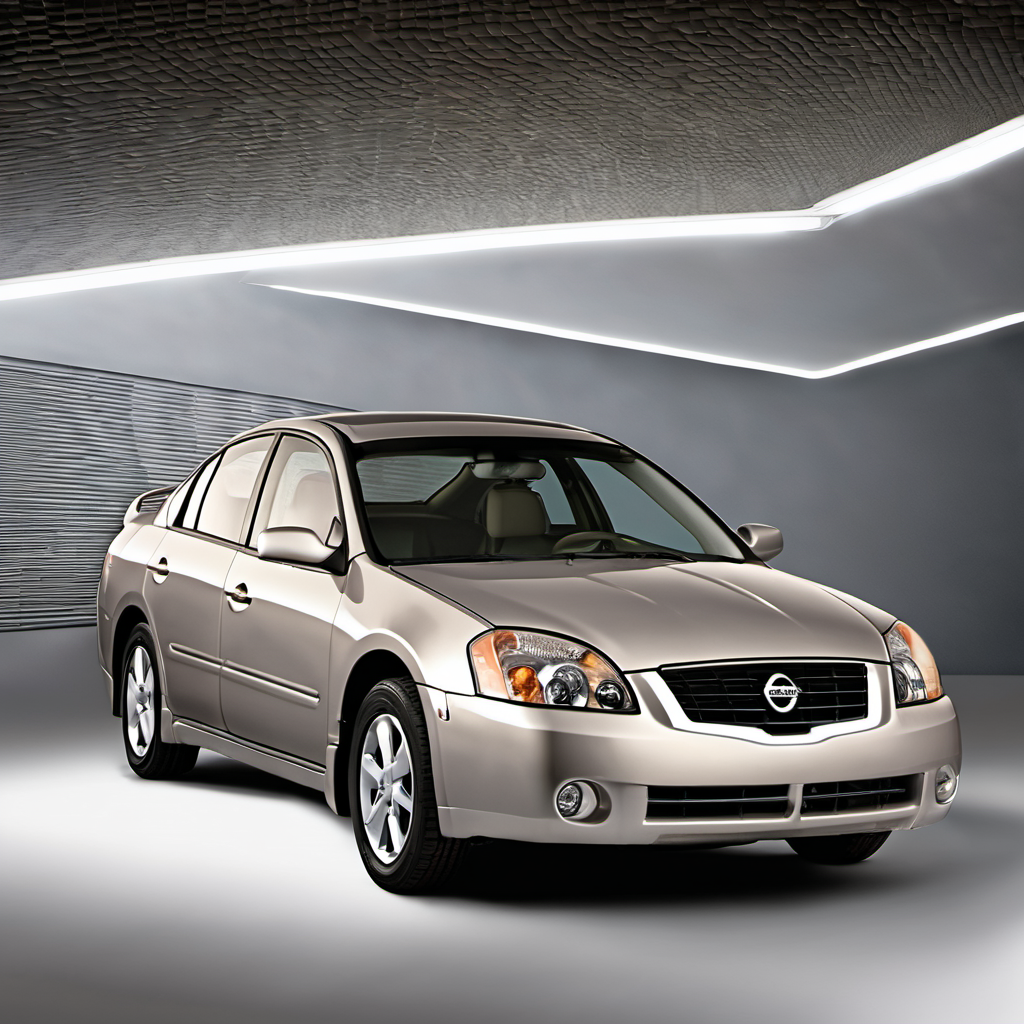
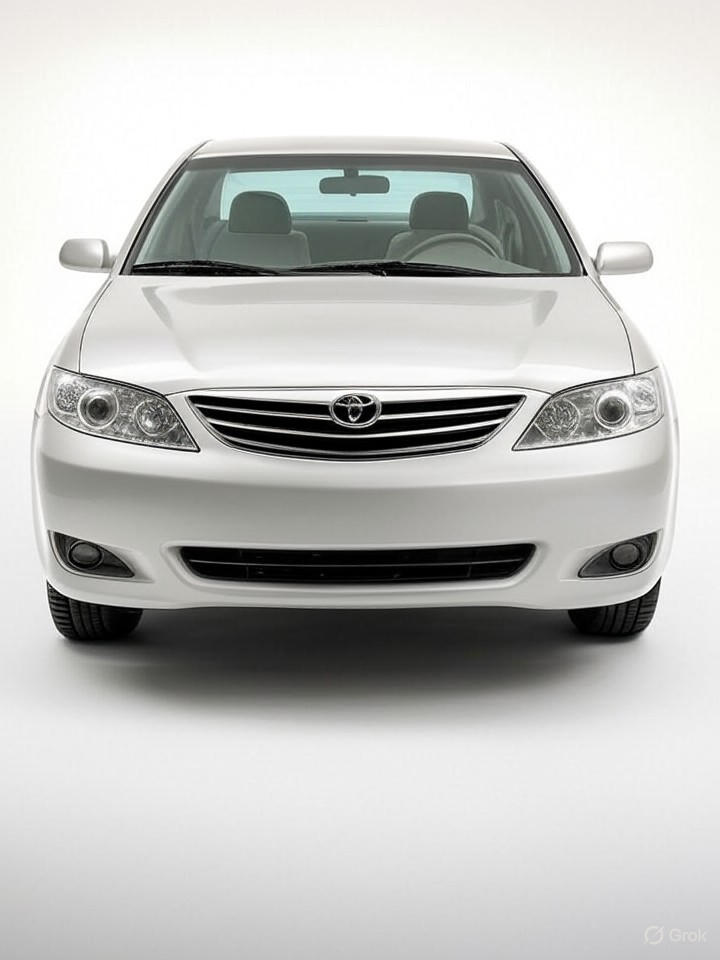
2006 Nissan Altima Sedan

2006 Nissan

AltimaSedan

Sedan

The 2006 Nissan Altima is a front-wheel-drive midsize sedan that was in the final year of its third generation (B32 platform) before the completely redesigned fourth-gen arrived for 2007. It was a competitive family car with a solid 2.5L four-cylinder as the volume engine and an available 3.5L V6 for those wanting more performance. Ride quality, cabin space, and value pricing made it popular with commuters and families alike. At nearly 20 years old, most examples on the road today have well over 100,000 miles. The bones of this car are reasonably durable, but age-related issues — cooling system wear, oil consumption, and suspension bushing deterioration — are real concerns. Budget for deferred maintenance when buying used. The CVT transmission found in some trims of later models was not yet widespread in this generation; most 2006 Altimas used a conventional automatic. For a Lake Geneva-area owner, the biggest threats are road-salt corrosion on brake lines, fuel lines, and the undercarriage, plus cold-weather battery drain. Stay on top of those and this car can serve reliably for years.

Reliability
3/5
Verified data
Specs shown for Altima — the most common configuration. Other trims may vary in engine, drivetrain, or fuel economy. Sign in to see your vehicle's exact specs.
Engine
[object Object]
Drivetrain
FWD
Fuel
Gasoline
MPG
21 city / 27 hwy / 23 combined
Seats
Doors
Body
Midsize Cars

Overview

AI-curated

The 2006 Nissan Altima is a front-wheel-drive midsize sedan that was in the final year of its third generation (B32 platform) before the completely redesigned fourth-gen arrived for 2007. It was a competitive family car with a solid 2.5L four-cylinder as the volume engine and an available 3.5L V6 for those wanting more performance. Ride quality, cabin space, and value pricing made it popular with commuters and families alike. At nearly 20 years old, most examples on the road today have well over 100,000 miles. The bones of this car are reasonably durable, but age-related issues — cooling system wear, oil consumption, and suspension bushing deterioration — are real concerns. Budget for deferred maintenance when buying used. The CVT transmission found in some trims of later models was not yet widespread in this generation; most 2006 Altimas used a conventional automatic. For a Lake Geneva-area owner, the biggest threats are road-salt corrosion on brake lines, fuel lines, and the undercarriage, plus cold-weather battery drain. Stay on top of those and this car can serve reliably for years.

Known for
  • Roomy interior for a midsize sedan
  • Peppy 2.5L QR25DE four-cylinder
  • Good highway fuel economy for the era
  • Competitive pricing new and used
  • Bose audio option and upscale trim levels for the class
Best for
  • Daily commuters wanting affordable, reliable transportation
  • Small families needing a practical four-door
  • High-mileage highway drivers watching fuel costs
  • Budget-conscious buyers seeking a used midsize sedan
Watch for
  • Oil consumption on the QR25DE engine (monitor between changes)
  • Catalytic converter clogging linked to excess oil burn
  • Cooling system hose and thermostat failures at high mileage
  • Suspension bushings and strut mounts wear with age and salt exposure
  • Undercarriage rust on Wisconsin-road cars — inspect brake and fuel lines

Common issues by mileage

6 known

QR25DE Engine Oil Consumption

high
Typically appears
50–150k mi
Estimated repair
$0 – $300

Catalytic Converter Failure (oil-related)

medium
Typically appears
80–140k mi
Estimated repair
$400 – $900

VVT / Camshaft Position Timing Faults

medium
Typically appears
80–150k mi
Estimated repair
$150 – $600

Thermostat / Cooling System Hose Failure

medium
Typically appears
90–150k mi
Estimated repair
$100 – $350

Strut Mounts and Suspension Bushings Wear

high
Typically appears
100k+ mi
Estimated repair
$300 – $800

Valve Control Solenoid (VVT Solenoid) Failure

medium
Typically appears
80–130k mi
Estimated repair
$150 – $450

Maintenance schedule

  1. 1
    Every 5,000 miles or 6 months — check level every fill-up Oil and filter change

    QR25DE oil consumption is real. Running low even once can damage the engine or plug the catalytic converter.

  2. 2
    Every 50,000 miles or 5 years Coolant flush and hose inspection

    Third-gen Altima cooling hoses harden and crack with age. A failure on a Wisconsin winter morning leaves you stranded.

  3. 3
    Every 60,000 miles (platinum) or 30,000 miles (copper) Spark plug replacement

    Worn plugs worsen the oil-consumption and emissions picture and reduce fuel economy noticeably.

  4. 4
    Every 30,000–40,000 miles Transmission fluid change

    Nissan's 'lifetime' fluid claim is optimistic on high-mileage used vehicles. Fresh fluid extends 4-speed automatic life significantly.

  5. 5
    Every 2 years Brake fluid flush

    Brake fluid absorbs moisture over time, lowering boiling point. Critical for safe stops on wet or icy Wisconsin roads.

  6. 6
    Every fall, before salt season Undercarriage and brake/fuel line inspection

    Lake Geneva roads are heavily salted. Brake line and fuel line corrosion is the top safety threat on any late-2000s FWD sedan in this region.

  7. 7
    Every 15,000–20,000 miles Air filter replacement

    Dirty filter increases oil consumption symptoms and reduces power from the already oil-sensitive QR25DE.

  8. 8
    Every fall Battery load test

    Batteries over 3–4 years old can fail cold-cranking in sub-zero Wisconsin temps. A load test costs nothing at most shops and prevents a no-start surprise.

Always defer to the manufacturer's service manual for warranty-mandated intervals.

Cost of ownership

Annual maintenance
$600 – $1,400
Fuel
At 23 MPG combined and ~15,000 miles/year, expect roughly $1,700–$2,100/year at current mid-grade prices in the Lake Geneva area.
Insurance
Typically $900–$1,400/year for full coverage on a 2006 model in southern Wisconsin, depending on driver profile.

The 2006 Altima is inexpensive to buy used and cheap to insure, but the QR25DE's oil consumption habit means you can't just change the oil every 5,000 miles and forget it — plan on checking the level frequently and budgeting for a possible catalytic converter if the car has high miles and unknown maintenance history. On a well-maintained example, annual costs are reasonable. On a neglected one, you can easily spend $2,000–$3,000 catching up on deferred work.
Seasonal care

Lake Geneva, WI
Winter
  • Load-test the battery every October — cold cranking amps drop sharply below 20°F and a 4+ year old battery is a liability.
  • Switch to a full-synthetic 5W-30 if not already used; it flows faster on sub-zero cold starts and reduces early-morning wear on the QR25DE.
  • Inspect brake lines and fuel lines for rust and pitting before first snowfall — salt exposure on Wisconsin roads is the number one long-term threat to this car.
  • Fill washer fluid reservoir with a -20°F or colder rated fluid; the standard stuff freezes in the lines and can crack the pump.
  • Check tire tread depth and consider dedicated winter tires — FWD helps you go, but doesn't help you stop on ice.
  • Keep the gas tank at least half full in extreme cold to reduce condensation in the fuel system and add weight over the drive wheels.
Summer
  • Check coolant level and condition before summer heat — the QR25DE runs warm and a marginal thermostat or low coolant can push it over the edge.
  • Inspect the A/C system for refrigerant leaks; the condenser and hoses on 2006 models are now nearly 20 years old.
  • Check tire pressure monthly — for every 10°F rise in ambient temperature, pressure increases roughly 1 PSI, leading to uneven wear and reduced wet traction.
  • Inspect serpentine belt for cracking or glazing; heat accelerates belt aging and a failure leaves you without power steering and charging.
  • Park in shade or use a windshield sunshade — dark dashboards on third-gen Altimas are prone to cracking from UV exposure over time.

Comparable vehicles

If you're shopping for one

Red flags
  • Oil level noticeably low on a car the seller claims was 'recently serviced'.
  • Blue or gray exhaust smoke under any driving condition.
  • Check engine light on or evidence it was recently cleared (scan for pending codes).
  • Visible rust bubbling on rocker panels, wheel wells, or undercarriage brake/fuel lines.
  • Overheating history — any sign of a blown head gasket (white exhaust, milky oil cap) is a hard pass on this engine.
  • Slipping, shuddering, or delayed engagement in the automatic transmission — rebuilds are $1,500–$2,500+.
What to inspect
  • Pull the dipstick and check oil level and color — low or black oil on a car that 'just had an oil change' signals neglect or heavy consumption.
  • Look for blue smoke on cold start and during hard acceleration — a sign of active oil burning into the combustion chamber.
  • Check the catalytic converter for rattling (shake the car and listen under the rear of the engine) — a plugged cat means engine oil has been burning for a while.
  • Inspect the undercarriage thoroughly for rust on brake lines, fuel lines, and subframe — this is the most common fatal flaw on Wisconsin-road cars this age.
  • Test the A/C on MAX setting and verify it blows cold within 60 seconds — recharging an old system is cheap, but a failing compressor is not.
  • Road test at highway speed and listen for strut noise or steering wander — worn strut mounts are common and easy to miss in a parking lot test.
AI profile generated 10 days ago · claude-sonnet-4-6 · v2.