Soft-top leaks and convertible top mechanism wear
high- Typically appears
- Any age/mileage
- Estimated repair
- $400 – $2,500
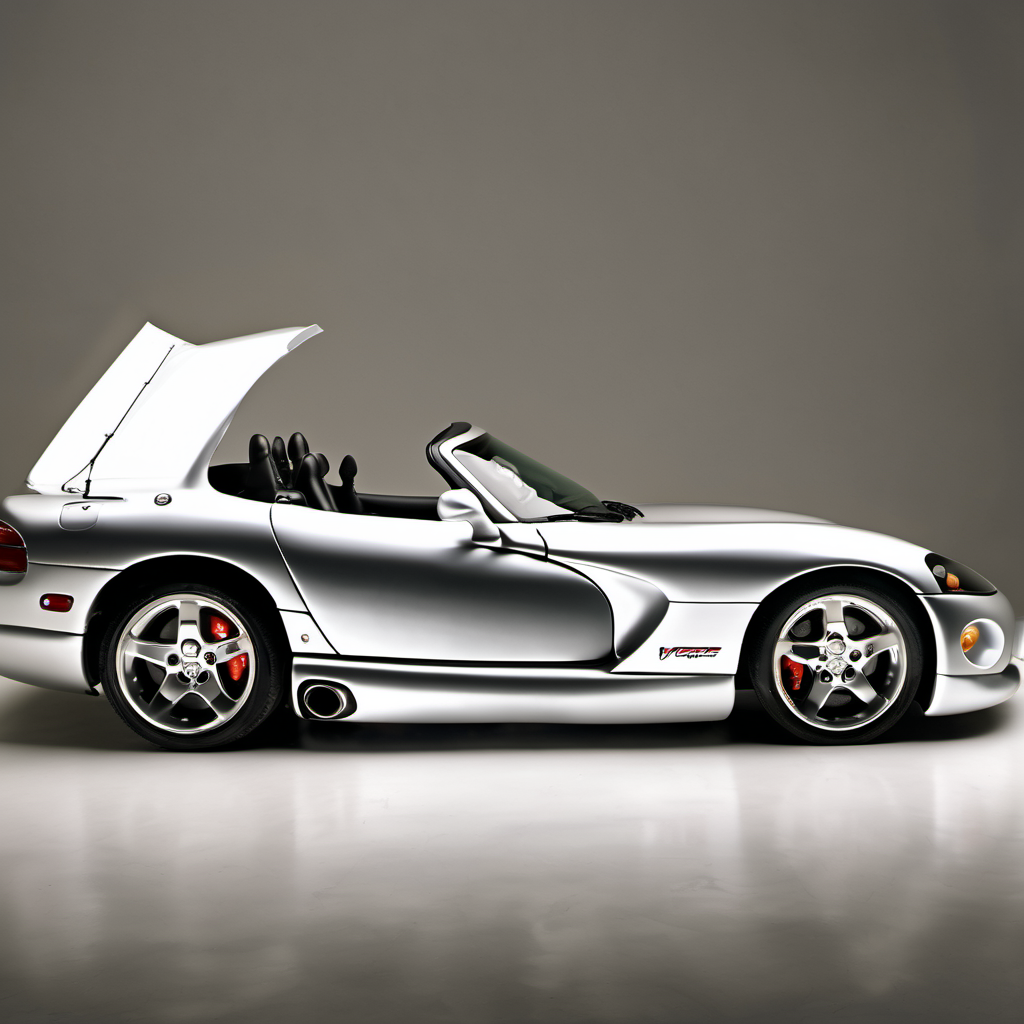
2003 Dodge
Convertible
The 2003 Dodge Viper is a raw, purpose-built American sports car powered by a hand-built 8.3L V10 engine producing 500 horsepower. It was designed from the ground up as a no-excuses performance machine — no traction control, no ABS (on most trims), no airbags in early versions — just a massive engine, a 6-speed manual, and rear-wheel drive. The 2003 model year represented the second generation (GTS/SRT-10 transition era), and the SRT-10 Roadster brought open-top driving to the Viper lineup in a serious way. This is not a daily driver, and Dodge never pretended it was. The Viper rewards skilled, confident drivers and punishes inattentiveness — especially in wet or cold conditions. Most examples are garage-kept, low-mileage collector cars that have seen occasional track days rather than daily commutes. For a Lake Geneva owner, this car is a warm-weather toy at best. Wisconsin winters are simply not compatible with a Viper — the tires, the low ground clearance, the lack of electronic driver aids, and the exposed side exhaust make cold-season use inadvisable and potentially dangerous.
The 2003 Dodge Viper is a raw, purpose-built American sports car powered by a hand-built 8.3L V10 engine producing 500 horsepower. It was designed from the ground up as a no-excuses performance machine — no traction control, no ABS (on most trims), no airbags in early versions — just a massive engine, a 6-speed manual, and rear-wheel drive. The 2003 model year represented the second generation (GTS/SRT-10 transition era), and the SRT-10 Roadster brought open-top driving to the Viper lineup in a serious way. This is not a daily driver, and Dodge never pretended it was. The Viper rewards skilled, confident drivers and punishes inattentiveness — especially in wet or cold conditions. Most examples are garage-kept, low-mileage collector cars that have seen occasional track days rather than daily commutes. For a Lake Geneva owner, this car is a warm-weather toy at best. Wisconsin winters are simply not compatible with a Viper — the tires, the low ground clearance, the lack of electronic driver aids, and the exposed side exhaust make cold-season use inadvisable and potentially dangerous.
The 8.3L V10 holds a large oil volume and runs hot. Even low-mileage stored cars should get an annual oil change — old oil breaks down and causes corrosion inside the engine.
Age causes coolant to acidify and hoses to crack. The V10 generates serious heat; a cooling system failure can do major damage quickly.
Vipers sit for months at a time in Wisconsin winters. A dead battery leads to electrical issues, and stale fuel causes injector and fuel system problems.
Brake fluid absorbs moisture over time, lowering boiling point. On a track-capable car with no ABS, compromised brakes are a serious safety issue.
The convertible top fabric and seals dry out and crack with age and UV exposure. Clean and condition the top and check the latches and drains each spring before use.
Viper-spec tires are wide, staggered, and expensive. Tires over 6 years old should be replaced regardless of tread depth — rubber degrades even on stored vehicles.
Access is tight on the V10. Don't defer this — misfires on a high-compression engine can cause catalytic and engine damage.
Even one Wisconsin winter of road salt exposure can start attacking the frame, undercarriage, and side exhaust. Inspect thoroughly before each season.
Always defer to the manufacturer's service manual for warranty-mandated intervals.
The Viper is a surprisingly affordable exotic to maintain if it's treated as a seasonal show/drive car and not abused. Engine internals rarely cause trouble in well-kept examples. The big costs come from tires ($1,500–$3,000 a set), clutch replacements on driven cars, and bodywork — the fiberglass body panels are expensive to repair and difficult to color-match. Budget for annual recommissioning costs every spring regardless of whether anything breaks.
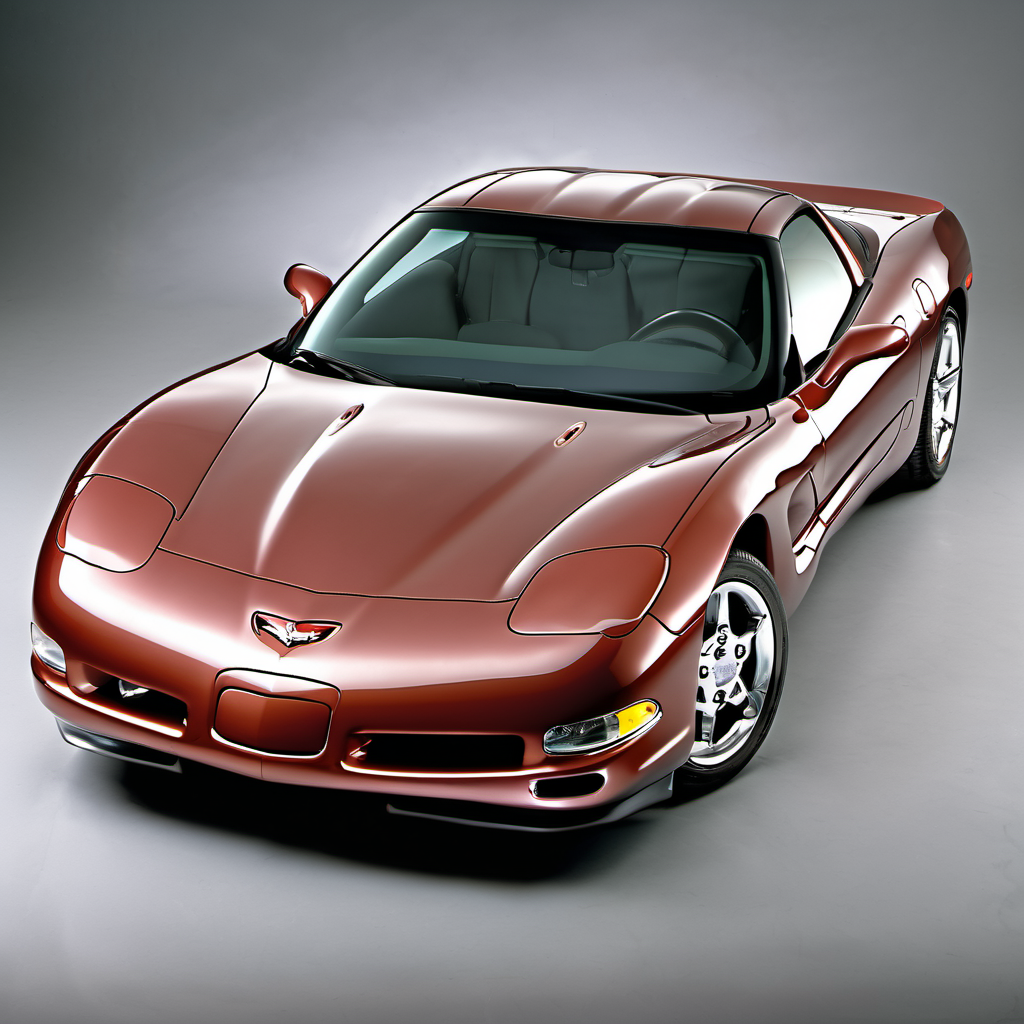
American V8 performance at a similar price point, but with more refinement, better everyday usability, and available traction control. Less raw than the Viper but more forgiving.
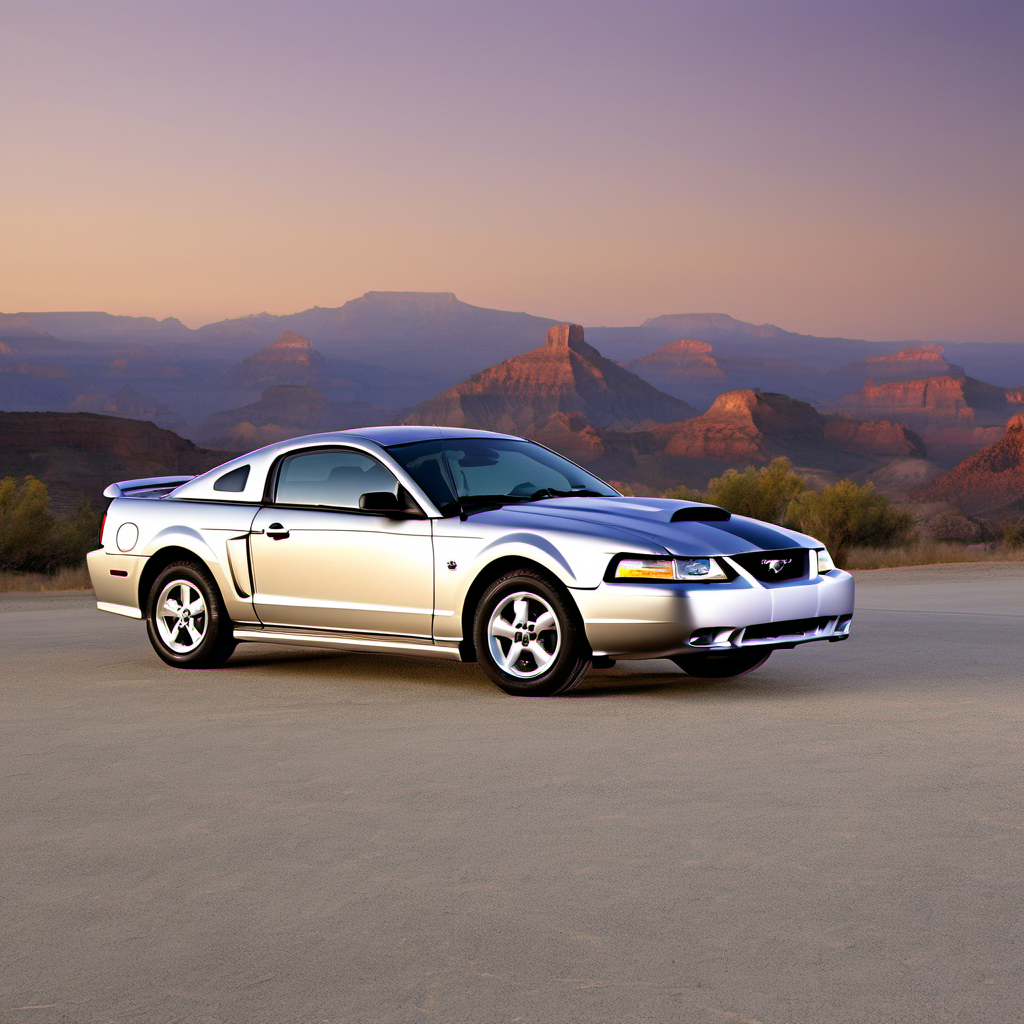
The Terminator Cobra is supercharged to 390 hp and significantly more affordable. A different class of car, but competes for the same buyer who wants a serious American performance coupe.
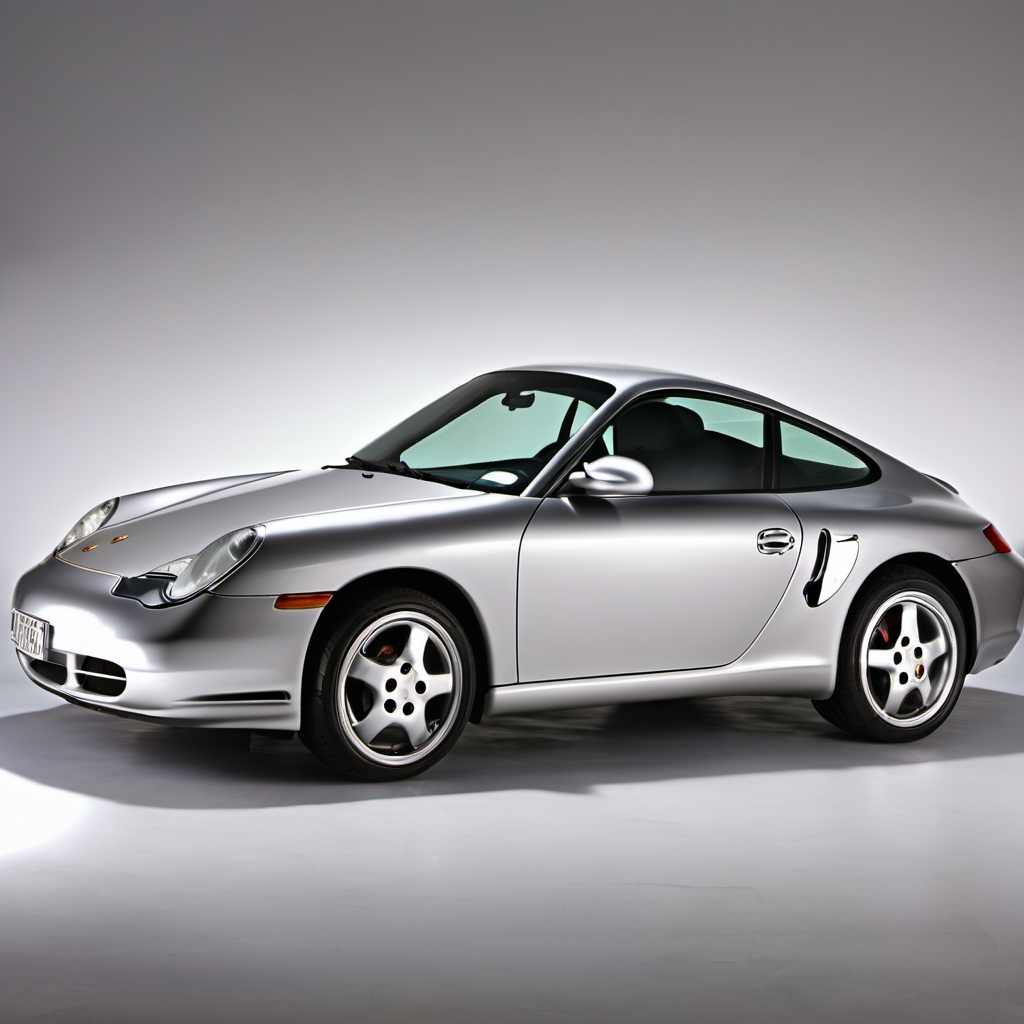
Similar price bracket as a used exotic, AWD provides year-round capability the Viper lacks, and Porsche's engineering is more refined — though far less theatrical.
Comparable used-market price, Italian exotic credibility, mid-engine balance. Higher maintenance costs than the Viper but a more complete sports car in terms of feedback and composure.
No catalog match