IMS (Intermediate Shaft) Bearing Failure
medium- Typically appears
- 60–120k mi
- Estimated repair
- $2,500 – $16,000
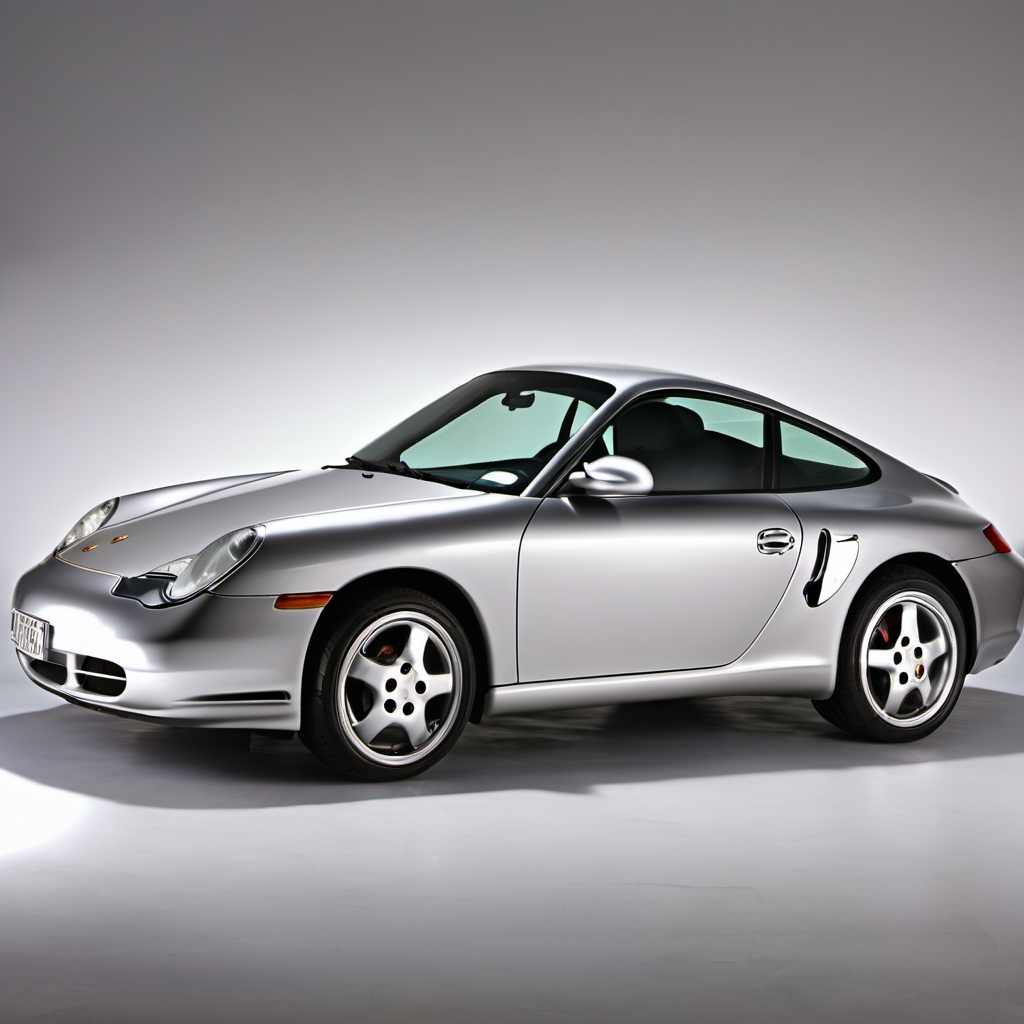
2003 Porsche
3.6L H6 (Flat-Six) · Convertible
The 2003 Porsche 911 Convertible (996-generation Cabriolet) is the water-cooled, rear-engine sports car that carried Porsche's most iconic nameplate into the modern era. Powered by a 3.6L flat-six, it delivers a genuinely thrilling driving experience — sharp steering, a spine-tingling exhaust note, and a convertible top that lowers in about 20 seconds. It sits in a peculiar sweet spot right now: values have stabilized, making it attainable, but parts and labor costs keep it firmly in 'enthusiast' territory. The 996 generation ran from 1999–2004 and is the first 911 to use water cooling. Early cars (1999–2001) earned a poor reputation for IMS bearing failures, but by 2003 Porsche had moved to a larger single-row IMS bearing that dramatically reduced — though did not eliminate — that risk. Buyers of a 2003 example are in a somewhat better position than earlier 996 owners, but the IMS issue still deserves pre-purchase attention. As a daily driver in Lake Geneva's four-season climate, the 996 Cab is a challenge. It's low, firm, and thirsty, the top mechanism requires regular lubrication and attention, and sub-zero temperatures are hard on the convertible roof seals and the RMS/IMS bearings. Budget generously for maintenance and storage, and this car rewards you handsomely.
The 2003 Porsche 911 Convertible (996-generation Cabriolet) is the water-cooled, rear-engine sports car that carried Porsche's most iconic nameplate into the modern era. Powered by a 3.6L flat-six, it delivers a genuinely thrilling driving experience — sharp steering, a spine-tingling exhaust note, and a convertible top that lowers in about 20 seconds. It sits in a peculiar sweet spot right now: values have stabilized, making it attainable, but parts and labor costs keep it firmly in 'enthusiast' territory. The 996 generation ran from 1999–2004 and is the first 911 to use water cooling. Early cars (1999–2001) earned a poor reputation for IMS bearing failures, but by 2003 Porsche had moved to a larger single-row IMS bearing that dramatically reduced — though did not eliminate — that risk. Buyers of a 2003 example are in a somewhat better position than earlier 996 owners, but the IMS issue still deserves pre-purchase attention. As a daily driver in Lake Geneva's four-season climate, the 996 Cab is a challenge. It's low, firm, and thirsty, the top mechanism requires regular lubrication and attention, and sub-zero temperatures are hard on the convertible roof seals and the RMS/IMS bearings. Budget generously for maintenance and storage, and this car rewards you handsomely.
The IMS bearing is splash-lubricated by engine oil. Fresh, clean oil is the single best preventive measure against IMS bearing failure. Never let oil degrade or drop low.
The 2003 single-row IMS is more durable than earlier units but is not immune to failure. A bearing replacement (done while the transmission is out for RMS service) is the most cost-effective insurance this car has.
Almost always done in conjunction with IMS work since it requires the same transmission drop. Combining the jobs saves significant labor cost.
The 996 flat-six has 6 individual coil-on-plug units. Failed coils cause rough running and can foul plugs. Replacing all six coils at once when one fails is cost-effective.
The 996's plastic coolant pipes and crossover tubes are known to crack with age and heat cycles. A coolant flush is the perfect time to inspect these before they strand you.
Wisconsin winters dry out and crack the rubber seals. Lubricating the top mechanism and conditioning the seals twice a year prevents costly hydraulic repairs and keeps the cabin dry.
Porsche specifies this interval. Brake fluid absorbs moisture over time, lowering its boiling point — especially important given the 911's high-performance braking loads.
RWD plus rear-engine weight bias makes tire condition critical. Wisconsin pothole season (spring) and pre-winter prep are the two key moments to check alignment and tire wear.
Always defer to the manufacturer's service manual for warranty-mandated intervals.
A 2003 911 Cabriolet in good shape costs roughly $2,000–$4,000/year in routine maintenance at an independent shop — but that figure assumes no major failures. Budget a separate $3,000–$5,000 contingency for IMS/RMS work if it hasn't been done. In a year with a big job (cooling system, top hydraulics, coils), costs can easily hit $6,000+. This is not a budget-friendly ownership experience; it rewards owners who stay ahead of maintenance rather than react to breakdowns.
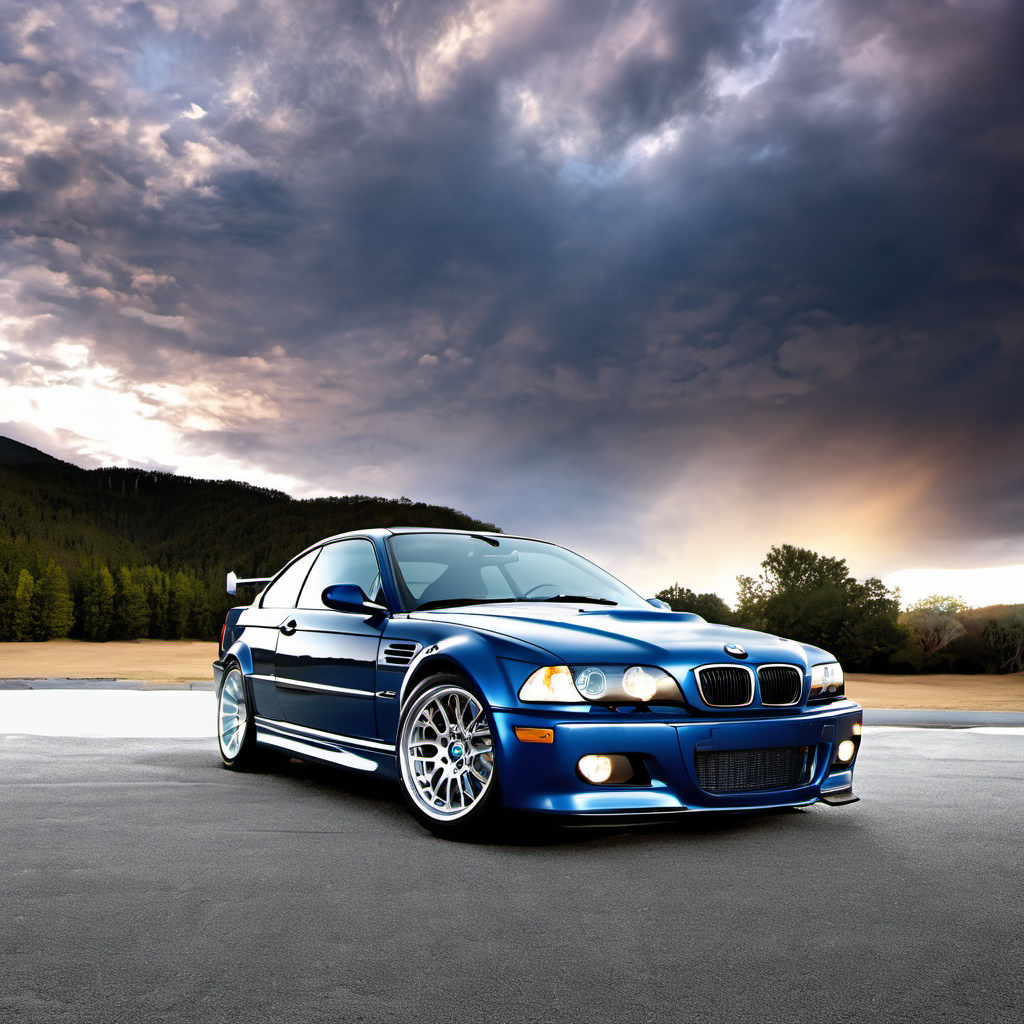
Similar price point, comparable performance pedigree, RWD sports coupe/convertible. More parts availability and cheaper labor than the 911, but also water-cooled with its own high-revving engine concerns (rod bearing issues on E46).
Grand touring convertible in the same era and price range. More comfortable and refined for two-up touring, less focused as a driver's car. Higher parts cost but more dealer and independent shop support.
No catalog match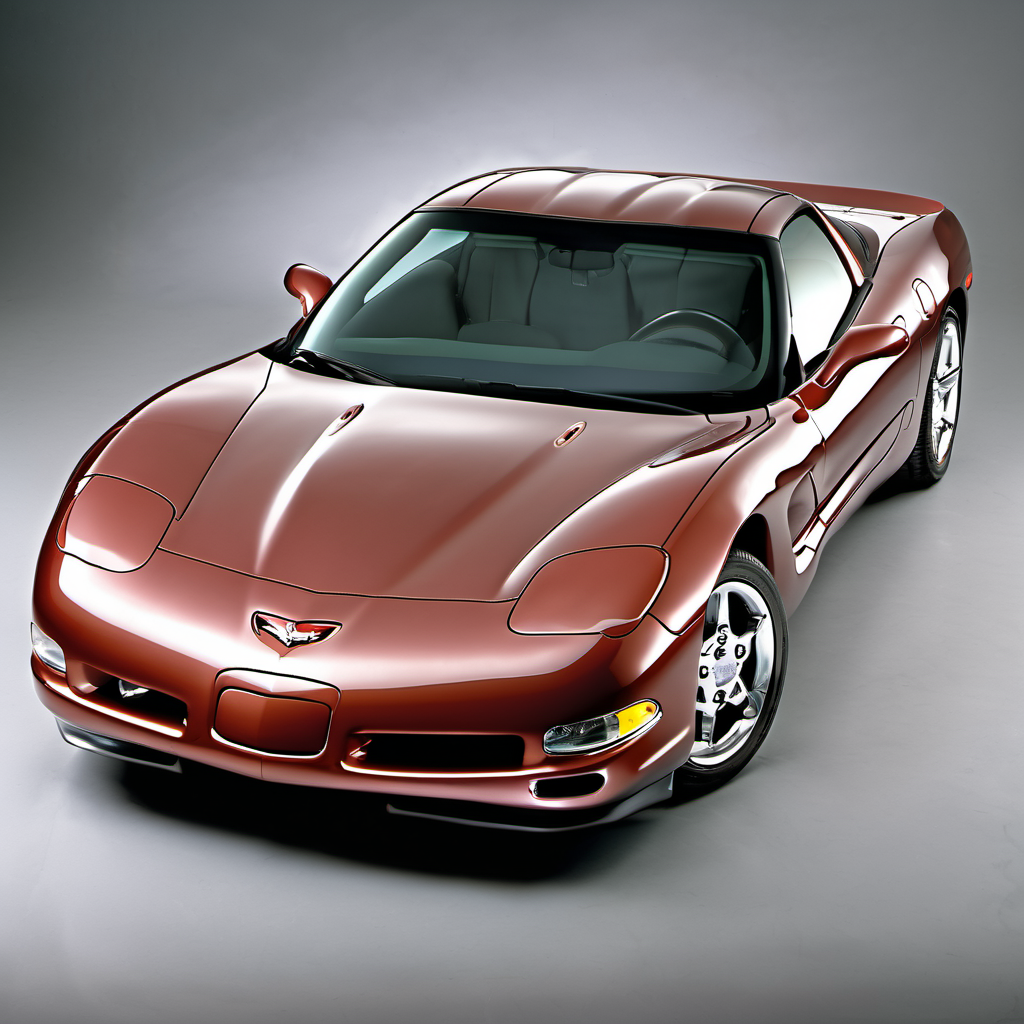
LS-powered, RWD, available as a convertible, comparable performance — but vastly cheaper to maintain and repair in the Midwest. Less prestige but far more practical for year-round ownership.
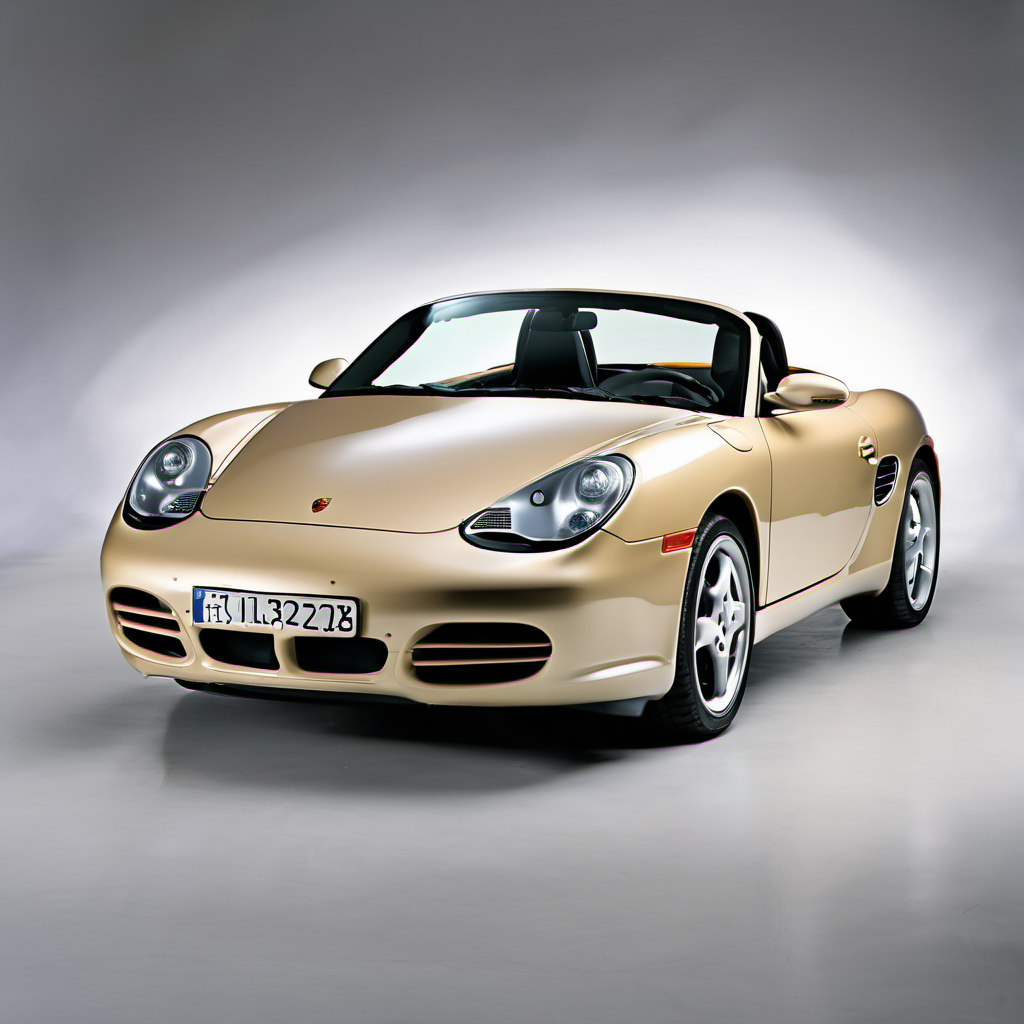
Same 996-generation flat-six engine family, mid-engine layout, and convertible format at a lower purchase price. Shares many of the same IMS/RMS risks but is often better maintained since it was the 'affordable' Porsche and had fewer absentee-collector owners.