VTEC Solenoid Sludge / Sticking
high- Typically appears
- 80–150k mi
- Estimated repair
- $80 – $250
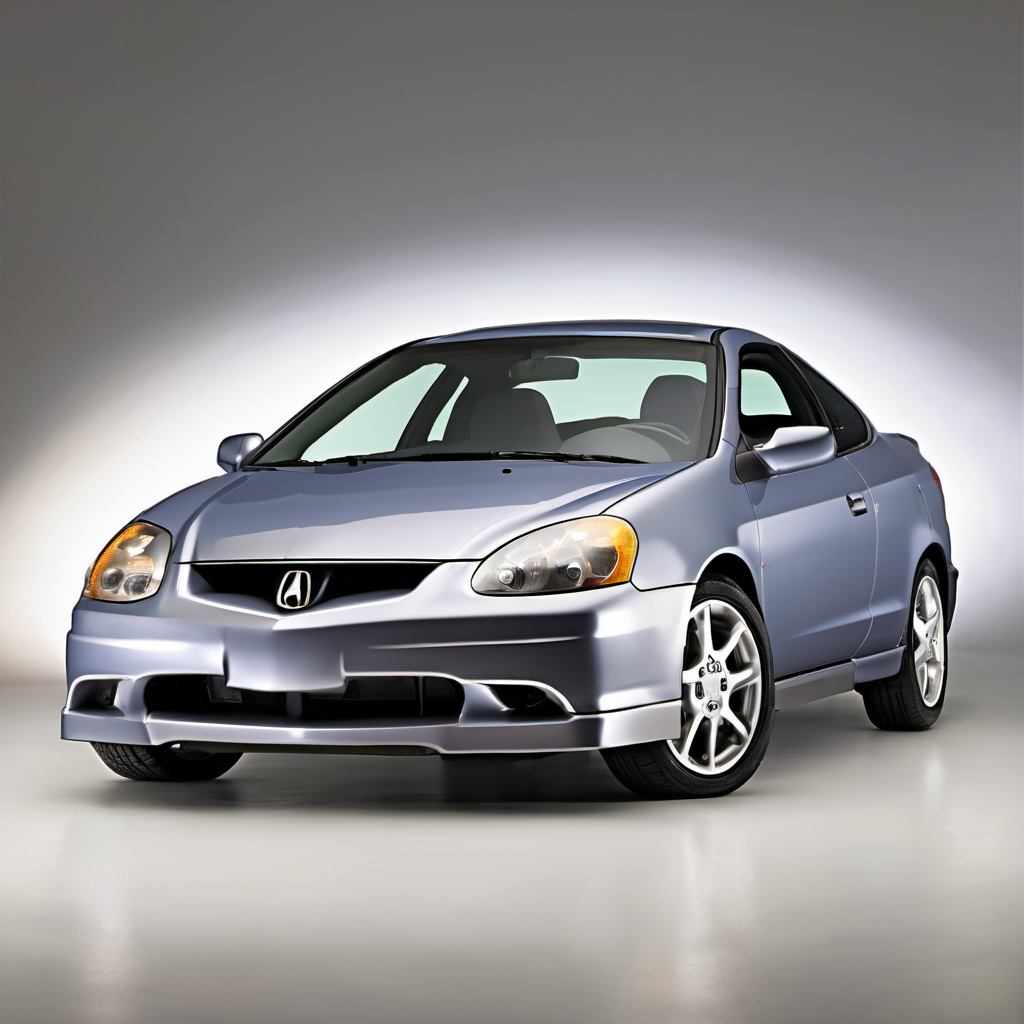
2004 Acura
Coupe
The 2004 Acura RSX is a front-wheel-drive sport compact coupe that replaced the Integra in Acura's lineup. Built on Honda's DC5 platform, it came in two main flavors: the base model with a 155-hp K20A3 engine and a 5-speed automatic or 5-speed manual, and the Type-S with a 210-hp K20Z1, a close-ratio 6-speed manual, and a limited-slip differential. Both share Honda's legendary K-series engine architecture, which has a well-earned reputation for longevity and tunability. For daily driving, the RSX punches above its weight — comfortable enough for a commute, engaging enough to be genuinely fun on a twisty road. The cabin is tight but well-built for a 2004 Honda product, with a low driving position and a driver-focused cockpit. Rear seat space is minimal; this is realistically a two-person car. At 20 years old now, most RSXs have been driven hard, modified, or both. The K-series engine is bulletproof when maintained, but oil changes skipped by previous owners, VTEC solenoid neglect, and worn suspension components are common problems on examples that have changed hands multiple times. Buyers should prioritize a clean maintenance history and a thorough pre-purchase inspection.
The 2004 Acura RSX is a front-wheel-drive sport compact coupe that replaced the Integra in Acura's lineup. Built on Honda's DC5 platform, it came in two main flavors: the base model with a 155-hp K20A3 engine and a 5-speed automatic or 5-speed manual, and the Type-S with a 210-hp K20Z1, a close-ratio 6-speed manual, and a limited-slip differential. Both share Honda's legendary K-series engine architecture, which has a well-earned reputation for longevity and tunability. For daily driving, the RSX punches above its weight — comfortable enough for a commute, engaging enough to be genuinely fun on a twisty road. The cabin is tight but well-built for a 2004 Honda product, with a low driving position and a driver-focused cockpit. Rear seat space is minimal; this is realistically a two-person car. At 20 years old now, most RSXs have been driven hard, modified, or both. The K-series engine is bulletproof when maintained, but oil changes skipped by previous owners, VTEC solenoid neglect, and worn suspension components are common problems on examples that have changed hands multiple times. Buyers should prioritize a clean maintenance history and a thorough pre-purchase inspection.
The VTEC and VTC systems are oil-pressure dependent. Dirty or low oil is the #1 cause of VTEC solenoid sludge and VTC actuator failures. This is the single most important maintenance item on any K-series engine.
The solenoid has a small mesh screen that catches sludge before it can gum up the valve. Cleaning it takes about 30 minutes and costs almost nothing. Skipping it leads to a $200+ solenoid replacement.
Honda manual transmissions are finicky about fluid type. Use Honda MTF or a compatible Honda-spec fluid. The wrong fluid causes notchy shifting, especially in cold weather — a real issue in Wisconsin winters.
Brake fluid absorbs moisture over time. In a sport-driven coupe, degraded fluid can boil under hard braking. Moisture also accelerates internal caliper and master cylinder corrosion.
The K20 is sensitive to spark plug condition at high RPM. Worn plugs cause misfires under VTEC engagement and reduce fuel economy.
Honda's blue coolant degrades over time and loses its corrosion inhibitors. Old coolant accelerates water pump wear and can corrode aluminum engine internals.
Wisconsin road salt will find every unprotected seam. Annual inspection of the rocker panels, subframe, and control arm mounting points — with touch-up undercoating where needed — can add years to the car's serviceable life.
A snapped accessory belt takes out power steering, the alternator, and A/C simultaneously. Cold Wisconsin winters make rubber brittle — inspect for cracking each fall.
Always defer to the manufacturer's service manual for warranty-mandated intervals.
A well-maintained RSX is a low-cost car to operate day-to-day. Routine maintenance is cheap thanks to Honda parts pricing and a simple engine layout. The real cost risk is deferred maintenance catch-up on a neglected example, rust repair, or suspension refreshes on a high-mileage car — budget $1,500–$3,000 upfront if buying used to address those items proactively.
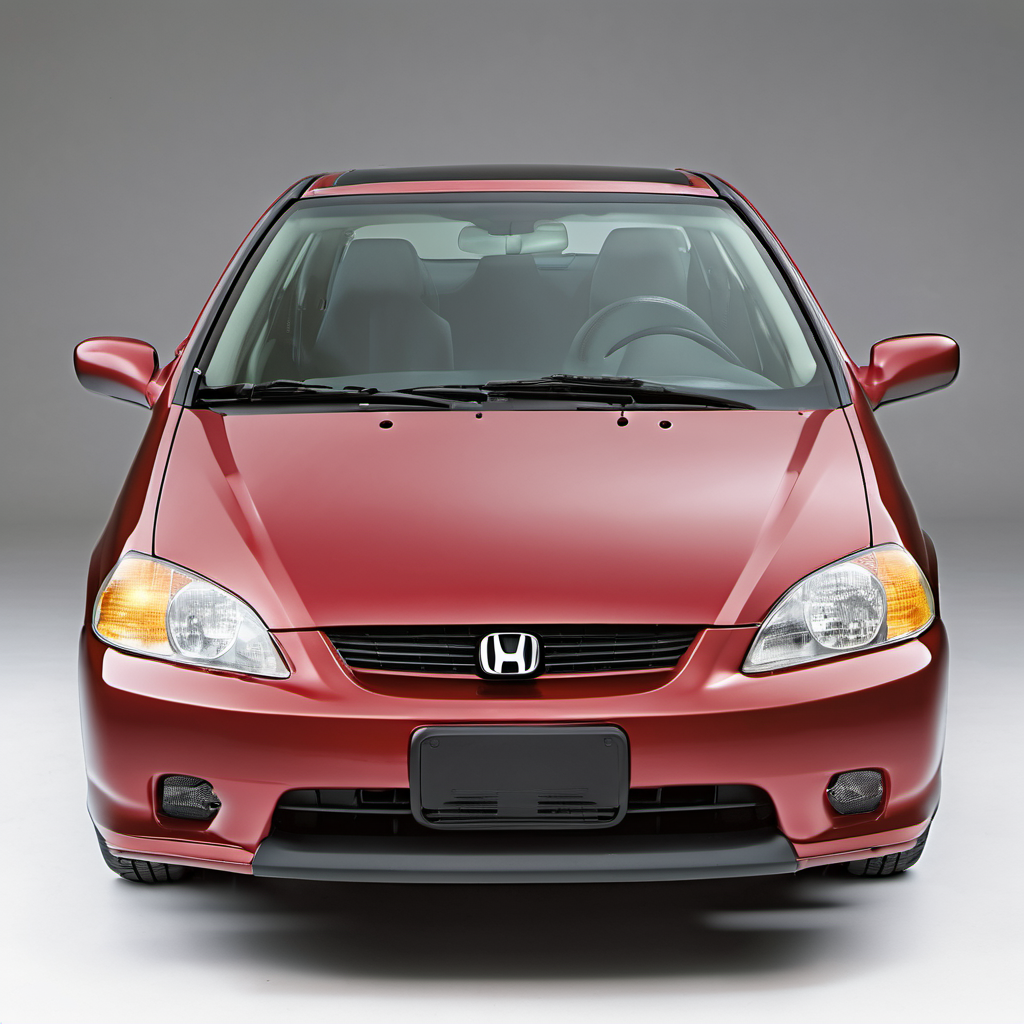
Same K-series engine family, same FWD sport compact segment, slightly lower price — shares many mechanical components with the RSX and offers a similar driving experience.
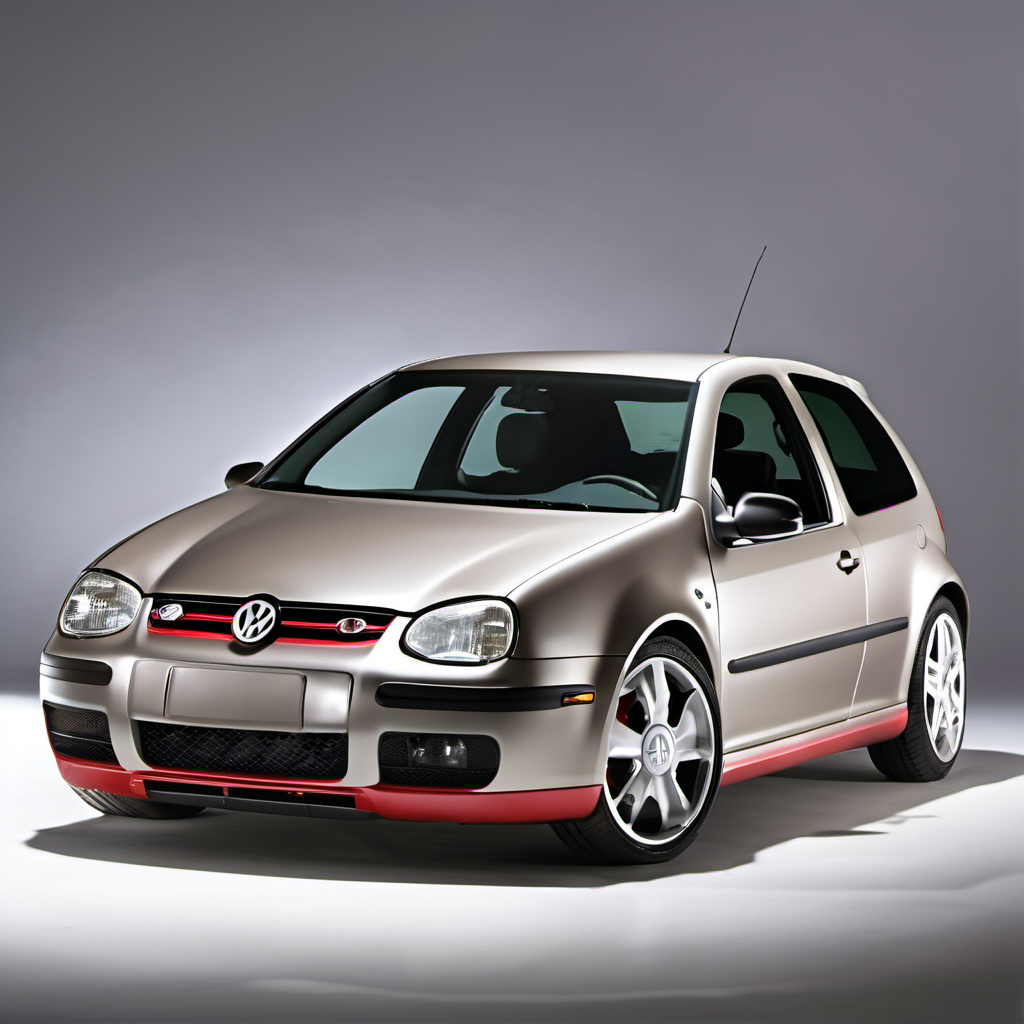
Direct segment rival: front-wheel-drive sport coupe/hatchback, similar horsepower, similar price. More European character but higher long-term maintenance costs.
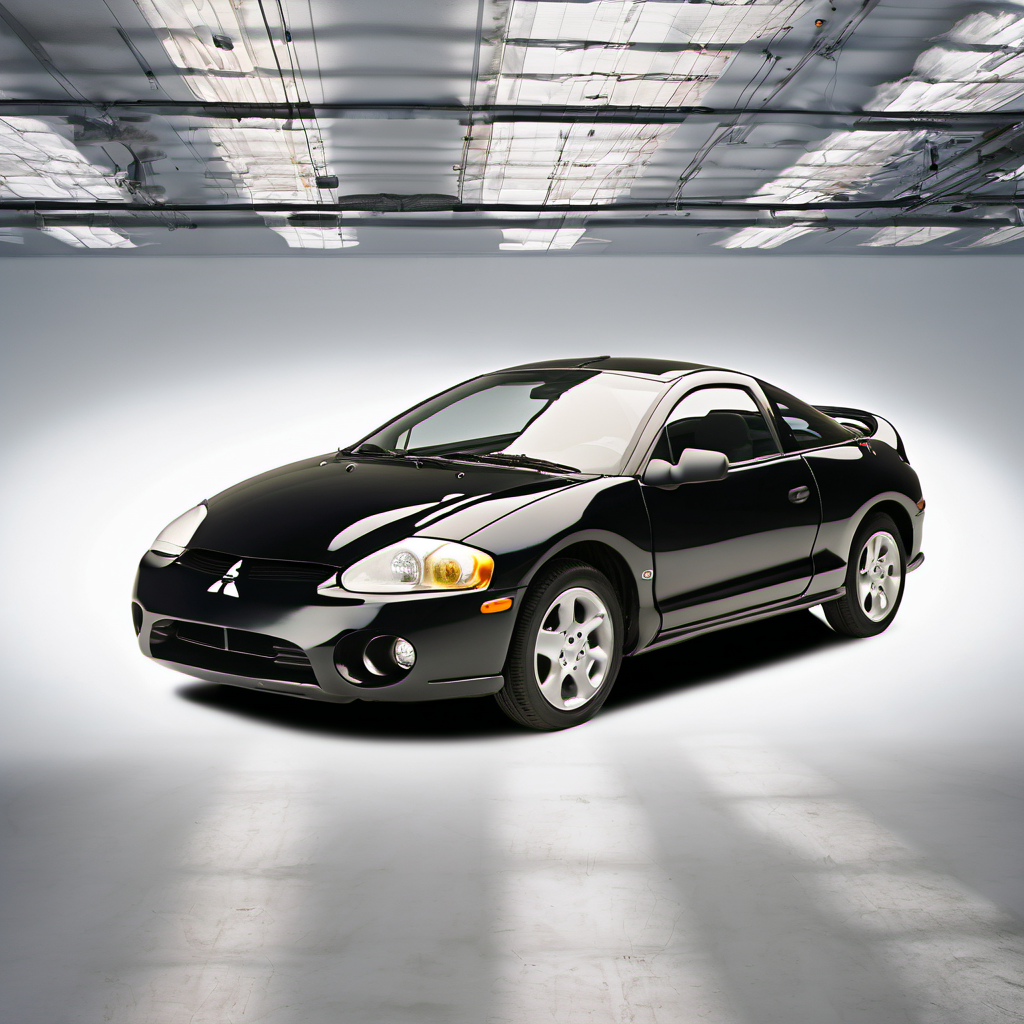
Same sport coupe class and price range. Less reliable long-term than the RSX but offers a V6 option for buyers wanting more power in a similar body style.
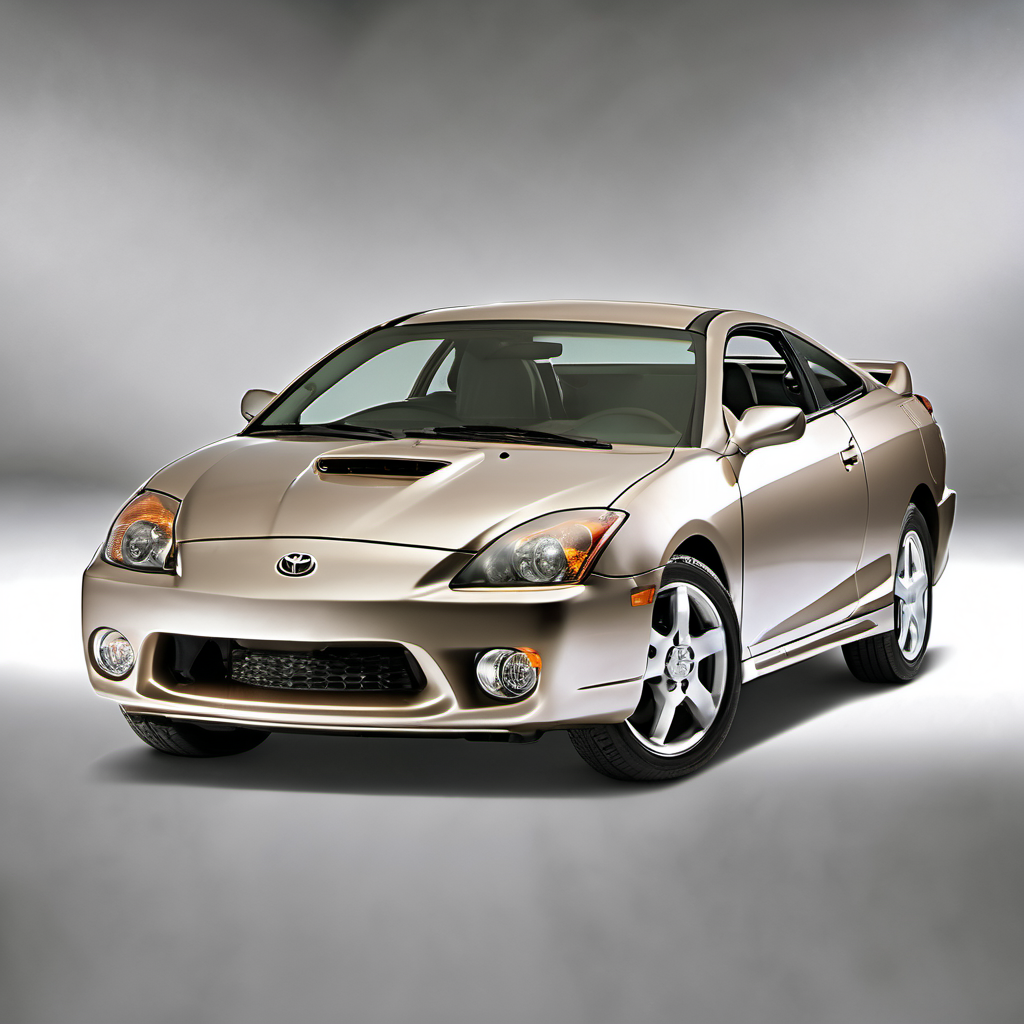
Direct styling and mission rival to the RSX — FWD sport coupe, similar size and price. The Celica GT-S shares the rev-happy high-compression engine philosophy of the Type-S.